How does a game become genuinely memorable? The greatest Best Video Games of All Time improve the medium as a whole in addition to providing entertainment. These are the 10/10 experiences that leave you feeling creatively inspired, emotionally spent, and wishing that more games could be like this. This list delves deeply into the films that not only raised the bar, but are the bar, featuring everything from heartbreaking stories to groundbreaking mechanics.
God of War (2018)
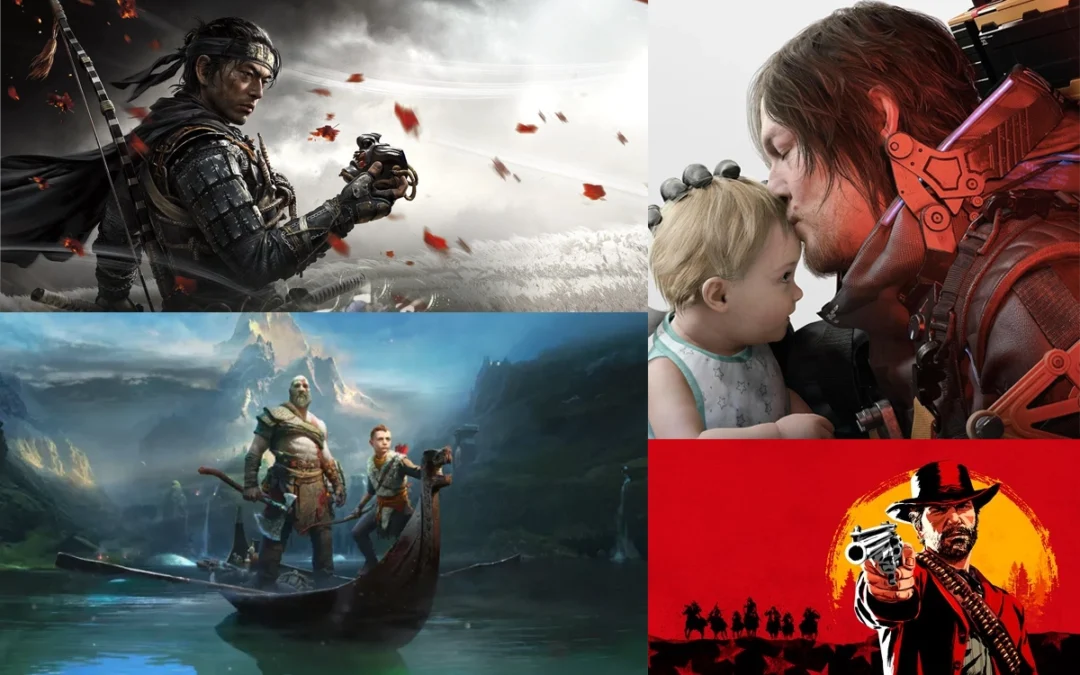
God of War (2018) redefined a beloved franchise rather than merely rebooting it.
The days of unending chaos and fury fueled by button-mashing were over. It was replaced by a more sophisticated, complex, and intensely intimate experience. Once a one-dimensional representation of anger, Kratos now traveled with his son Atreus through a world full of emotional development, parental conflict, and Greek mythology.
Let’s talk about gameplay, though.
From the violent, crunchy fighting to the peaceful, introspective moments of rowing through foggy lakes, everything in God of War feels handcrafted. It’s always fun to throw and call it back, and the Leviathan Axe alone is worthy of a design award. Every enemy encounter seems to be intended to put your reflexes and strategy to the test, not just your ability to repeatedly press attack buttons.
What makes it perfect?
Zero fluff: No bloated open-world noise or fetch quests. Just deliberate, goal-oriented gameplay.
Visual storytelling: You can learn something from every setting. You’re immersed in the spaces rather than merely passing through them.
Seamless experience: There are no cuts, load screens, or interruptions in immersion due to the “one-shot” camera technique.
Character depth: Kratos has evolved beyond being a straightforward anti-hero. He is complex, fractured, and developing. Storytelling at its best is witnessing the development of his relationship with Atreus.
God of War respects your time in addition to being good. Every moment feels earned, and every moment counts. It remains as new, polished, and emotionally impactful as the first time when you play it again.
Clair Obscur: Expedition 33
Clare Obscure deserves a perfect score because it doesn’t care about following the rules. Traditional design templates are completely disregarded in this independent role-playing game. It immerses you in a world that resembles a half-remembered dream rather than providing handholding and a straight line of progression. Even though you have no idea what’s going on, everything makes strange, surreal sense.
It’s beautiful to look at. Vibrant, confusing, and full of personality, each frame appears to be a piece of art. The soundtrack is the mood, not merely a setting for it. It alternates fluidly between ethereal, eerie tones and bursts of chaotic beauty.
However, what makes Clare Obscure unique?
Atmosphere-first design: The game doesn’t rush you because of its atmosphere-first design. It rewards patience and curiosity by allowing you to sit with its strangeness. Combat as art: Battles don’t seem like turn-based tasks; they are works of art. They resemble theatrical productions—an odd balancing act of style, narrative, and strategy. Narrative freedom: It does not spoon-feed exposition or lore. This is known as narrative freedom. Experience, not text dumps, is how you find meaning.
There’s a vibe to this game. You can either bounce off of it or tune into its frequency. But it’s unforgettable if it works for you. Clare Obscure forges its own path and challenges you to follow it rather than following trends.
It’s uncommon to find a game that is so dedicated to its goal, so self-assured in its oddness, and so successful at being both beautiful and alien. It’s a perfect 10 because of that.
Inside
Inside dares to whisper in a world where games frequently shout for your attention.
No tutorials, dialogue, or heads-up display are present. A boy in a red shirt, you, and a world that gradually reveals its secrets in the most eerie way possible. Something dark, abstract, and emotionally charged quickly emerges from what begins as a straightforward puzzle-platformer.
Inside’s genius is found in its restraint. Each frame is painstakingly designed to evoke awe, anxiety, and tension. The animations are subtly expressive. The puzzles are ingenious without ever getting tiresome. Additionally, the story is told entirely through environment and implication.
Inside is the ideal game for the following reasons: Minimalism mastered: Demonstrates how little is necessary to convey an engaging, poignant tale. Atmosphere king: The spooky, dystopian world is brimming with atmosphere. More than you realize, you feel it. Puzzle pacing: Each task is thoughtfully positioned to enhance the narrative’s progression. Replay depth: New interpretations are revealed with every playthrough. Long after the game is over, you continue to think about it.
You’re left with questions as well as answers when the credits have rolled. And that’s what matters. Inside tests more than just your reflexes. It makes you reevaluate what you think games can be.
Split Fiction
When you first start playing Split Fiction, you assume it’s just a chic story game. Then its genius strikes you in the brain. This isn’t your average adventure with choices. It is full of razor-edged writing and is incisive and purposeful. Dialogue choices reveal layers of character, motivation, and consequence in ways that feel incredibly natural, and they do more than just change conversations.
Your hand is not held by the game. It hardly recognizes you at all. But it’s unique because of that. You are trusted to navigate a beautifully designed world on your own terms after being thrust into it.
What makes Split Fiction perfect is this: Sleek storytelling: Each exchange feels significant. There is no waste of dialogue. Visual punch: It has a simple, contemporary style with a rich emotional depth. Narrative confidence: It doesn’t go into too much detail. It doesn’t plead for comprehension. It is magnetic simply because it is.
Rhythmic gameplay isn’t just about dazzling mechanics. It all comes down to the story’s smooth, clever, and tight flow.
Split Fiction demonstrates that intricacy need not equate to chaos. It demonstrates how a game can become timeless through exquisite design and compelling narrative. Getting involved in the game makes it almost impossible to stop.
The Last of Us
There are enjoyable games. The Last of Us leaves a lasting impression. The Last of Us is a masterwork of emotional storytelling, from its terrifying opening to its eerie ending. It destroys you, not just engages you. You live Joel and Ellie’s journey, with each silent moment and violent conflict feeling intimate. You don’t merely play it.
What makes it unique, though? Narrative craftsmanship: Rather than feeling like a standard video game, the script, acting, and direction resemble a high-end TV show. It’s heartfelt storytelling with teeth. Emotional gameplay: Despite their simplicity, the mechanics are emotionally impactful. The stakes feel real, so every shot fired and resource scavenged matters. Worldbuilding: Old journals, graffiti, and abandoned houses all tell a story about this post-pandemic America. Without shouting for attention, it’s engaging. Perfect pacing: No downtime. It’s layers of care, tension and release, grief and hope.
The Last of Us is brilliant because it makes you care about it on a deep level. Action and survival aren’t the only factors. It is about guilt, love, loss, and the hazy morality of doing what is required. After finishing The Last of Us, you don’t just go on. It’s with you.
Journey
It almost seems simplistic to refer to Journey as a game. It’s a profoundly minimalist experience that is serene and spiritual. You take on the role of a robed figure heading toward a far-off mountain. That’s all. You get so much more than just dialogue, a tutorial, and “mission objectives”—you get connection, introspection, and a calm awe that is uncommon in video games.
Why it’s ideal: Storytelling without words: Everything is expressed through design, music, and movement. Without a single word, it conveys emotion. Peerless atmosphere: The music—oh, the music—is pure magic, the wind whispers, and the sand shimmers. Unspoken multiplayer: Sometimes a silent, anonymous player shows up. No usernames. Simply being there. Nevertheless, it can forge a stronger connection than voice chat could. Meaning through movement: You glide, jump, and slide, but it all has a meditative, symbolic quality.
Players frequently remain motionless as the credits roll because they don’t want to ruin the experience. Quiet power like that is uncommon. Journey elevates this list rather than merely earning a spot on it.
Elden Ring: Shadow of the Erdtree
Elden Ring was already a masterpiece. The bar was then raised once more when Shadow of the Erdtree fell like a divine gauntlet.
This is an evolution rather than merely an expansion. The best aspects of the original are brilliantly deepened in a brutal, breathtaking way. The new places are huge and enigmatic, full of treasures and horrors that compel you to explore every square inch, even if you’re afraid to turn the next corner.
Shadow of the Erdtree is a 10 for the following reasons: Redefining boss battles: Every battle is a test of will. They push you farther without making you feel unfair; they are imaginative, frightening, and unforgettable. Environmental artistry: Every new site is a thematic and visual wonder that combines elements of dread and beauty. It’s not just more loot; there are new playstyles and new equipment. There are fresh approaches to completely revamp your build. There is a genuine temptation to respec. Enhancement of the narrative: The lore becomes more complex, exposing sinister secrets and legendary strands that cause you to reconsider your preconceived notions.
Shadow of the Erdtree demonstrates that FromSoftware creates art through adversity in addition to challenging games. What about the pain? It’s very sweet, I must say.
Alan Wake 2
The psychological thriller Alan Wake 2 invites you to revel in the chaos rather than merely playing with your mind.
This is not horror in the conventional sense. It’s not about shock value or cheap scares. The goal is to create a dense, dreamlike atmosphere in which you never quite know what is real, and in some ways, that ambiguity is alluring.
Why it is notable: Fear done well is eerie but never overpowering. It’s creepy in that lingering, slow-burning, dreadful way. Novel storytelling that combines elements of video games, live-action, and fever dreams. And miraculously, it all works.
Amazing settings: Every place exudes atmosphere, from twisting forest trails to eerily sterile offices.
Narrative trust: Not all information is explained in the game. That trust feels earned because it expects you to put things together.
Alan Wake 2 doesn’t plead for approval. It’s strange, audacious, and self-assured—exactly how great horror ought to be. It offers a 10/10 experience that you won’t soon forget if you’re on its wavelength.
The enduring power of these flawless video games is what makes them so beautiful, not just how well they were made. These are the games that temporarily degrade other games and establish a new standard for what constitutes “great” in your mind. These games, whether they’re triple-A blockbusters or surreal independent gems, don’t just do things right; they do them with confidence, mastery, and purpose.
Cyberpunk 2077: Phantom Liberty
Not only did Cyberpunk 2077 return, but it completely changed the way AAA games are viewed today.
With the release of Phantom Liberty, CD Projekt Red produced the game that everyone had hoped for at launch, not just an expansion. It’s mature, sleek, and perfectly focused. The once-beautiful façade of the city is now alive with character, tension, and consequence.
Why is it now a perfect 10? Story intensity: The spy-thriller plotline in Phantom Liberty is full of moral ambiguity, betrayal, and real stakes. You’re involved in a geopolitical powder keg, not just completing missions. Improved gameplay systems: Stealth, hacking, and gunplay have all been improved. Dynamic, fluid, and truly enjoyable. Reimagined Night City: The city seems denser and more responsive. It draws you in and keeps you there.
Time is not wasted because side quests are detailed, well-written, and frequently more interesting than the main plots of other games. Cyberpunk wasn’t the only thing that Phantom Liberty fixed. The promise was kept. And a complete makeover that combines style and substance is one of the rarest tales in gaming.
The Legend of Zelda: Breath of the Wild
Breath of the Wild is one of the most liberating games. Fewer people still make that freedom seem so deserving. There are only possibilities as soon as you enter Hyrule’s open world; there are no walls. You can glide off that tower, climb that mountain, or attempt to defeat a Guardian with just a stick and dubious thoughts. You can do it all in the game, somehow. What qualifies it as a masterclass? There are no forced goals or invisible walls in a true open-world environment. Simply press “Go,” and it will work. Creativity driven by physics: Everything responds organically. Metal conducts electricity, wind carries flames, and fire burns grass. It’s a creative sandbox with actual rules. No hand-holding: It relies on you to solve problems, explore, and learn without continual guidance or pestering hints. Organic moments: You’ll find yourself in unexpected situations, such as a thunderstorm, a dragon, or a puzzle, and each one feels like a story you made up. The best exploration game is Breath of the Wild. Like few others, it honors your curiosity and encourages experimentation.
Resident Evil 4 Remake
The first Resident Evil 4 was a seminal work of the genre. The re-make? Somehow, it’s even better.
Capcom updated everything without sacrificing the unique qualities of the original, not just the graphics. Though they are now encased in slick combat, stunning lighting, and cinematic intensity, the tone, pacing, and unrelenting tension remain.
Here’s why it’s perfect: The game never lags thanks to its constant momentum. Each puzzle, encounter, and set piece seamlessly transitions into the next. Combat tightness: Every mechanic feels responsive and satisfying, whether you’re aiming, dodging, or countering. Clever reworks: Well-known scenes reappear, but frequently with improvements.
Production value: Everything from voice acting to animations is flawless without ever coming across as sterile. It’s a unique remake that redefines the original for a new generation while also paying tribute to it. If you felt that nostalgia was enough, this rendition demonstrates how the past can be made even more brilliant through contemporary execution.
Final Fantasy VII Remake
How can one of the most cherished role-playing games ever be recreated?
You don’t take it easy. You succeed. The Final Fantasy VII Remake did just that, and it was successful. Instead of simply updating the graphics and moving on, Square Enix exceeded everyone’s expectations. There is more depth to the story. The characters have more life to them. The battle is a crazy mix of action and strategy that somehow works.
Why it’s a masterpiece of the modern era: Cinematic scale: Every scene, including cut scenes, boss battles, and simple traversal, seems enormous. It’s grand, not just large. Character redefinition: Aerith, Barret, Tifa, and Cloud all seem more vibrant than before. They have an electric chemistry. Combat excellence: It combines tactical depth with in-the-moment action. You’re not just pressing buttons; you’re making decisions all the time.
Brave narrative: It’s not merely a re-make. The old is being reimagined in ways that are both surprising and fulfilling.
The Final Fantasy VII Remake offers one of the most ambitious, well-executed, and emotionally impactful gaming experiences, regardless of whether you’re a devoted fan or a novice.
Disco Elysium
Disco Elysium is more than just a game; it’s a digital journey through philosophy.
Traditional battles don’t exist. No dazzling explosions. Rather, your words, your beliefs, and your broken mental state are your weapons. Although you are a disgraced detective attempting to solve a murder, the true mystery lies within you—your identity, your shortcomings, and your convictions.
This is what makes it so brilliant: Depth of dialogue: Discussions are long, witty, funny, and sometimes tragic. Your mind quarrels with itself. Your statistics speak for you. Narrative freedom: Do you want to be a communist supercop with ancient reptilian hallucinations? Proceed. Do you want to cry over a tie? Absolutely true. Unrivaled writing: The prose is literary-caliber, poetic, and frequently incredibly realistic. No handholding: It values your time and intelligence. You will make mistakes, fail, and still go on.
The type of game that does more than just provide entertainment is Disco Elysium. It sticks with you long after you turn it off, challenges your perspective, and encourages reflection.
Uncharted 4
Playing through Uncharted 4 is similar to watching an Indiana Jones movie, but with a ridiculous amount of polish, more wit, and more emotion.
Nathan Drake’s last journey is exhilarating, humorous, dramatic, and incredibly fluid, with a rollercoaster-like pace. The climbing, puzzles, and gunfights all fit together to create a rhythm that is organic and dramatic without ever getting monotonous.
Why it receives a flawless score: Everything is polished: The cutscene and gameplay transitions are smooth. The animations are incredibly fluid. Story maturity: There are stakes, repercussions, and reflection in this Drake. It’s about legacy, not just treasure. Perfect pacing: You never get bored. The timing of the action, exploration, and banter is flawless. Appeal to all: Even people who aren’t gamers are drawn in. It’s that pleasurable, that lovely, and that accessible.
When someone says, “I don’t get video games,” you show them this game, hand them the controller, play the intro, and watch as they become engrossed. It’s magical, not just enjoyable.
Metal Gear Solid V: The Phantom Pain
Chaos would resemble Metal Gear Solid V if it were art.
In addition to allowing you to create missions, this game challenges you to complete them. The game encourages ingenuity over tradition, whether you’re using a cardboard box to sneak into a base in broad daylight or balloons to kidnap soldiers.
It’s a sandbox masterpiece for the following reasons: Playing games that are driven by systems: Everything is connected. Your enemies adjust to your strategies. You adjust to theirs. Open-world freedom: Africa and Afghanistan are vast, intricate, and responsive. There are a dozen ways to approach any given mission. Tactical genius: You are only constrained by your creativity when it comes to vehicles, weapons, devices, and stealth. Amazingly good loop: Even after more than 100 hours, the planning, slyness, and escape aspects of it become addictive.
The narrative? chaotic. However, the gameplay? Almost flawless. The cutscenes aren’t the only thing that make Metal Gear Solid V great. It’s about the freedom of the present and the joy of knowing that your most ridiculous idea worked.
The Witcher 3: Wild Hunt
The Witcher 3 has more heart than any other game. This expansive open-world role-playing game never wastes time, never overdoes it, and never loses sight of the fact that every quest, no matter how small, should have significance.
You’re up against more than just monsters as Geralt of Rivia. You’re repairing damaged people, solving ethical conundrums, and sometimes making awful decisions that seem incredibly human.
Reasons for its timeless appeal: Every quest has depth, according to elite writing. Compared to the main plots of most games, even the smallest side story feels more developed. Immersion in the world: the cliffs of Skellige, the alleys of Novigrad, the mud-soaked plains of Velen—all of it seems authentic. Characters with a lot of emotion: Every exchange between Yennefer, Ciri, and Dandelion has significance and backstory. Blood and Wine and Hearts of Stone are the best game expansions that aren’t DLC. They’re brilliant and disguised as full games.
It’s more than just an RPG. It serves as a standard. The game that other role-playing games are compared to, and typically don’t measure up to.
Red Dead Redemption 2
Red Dead Redemption 2 takes its time. It also doesn’t want you to.
This game invites you to experience Arthur Morgan’s life in a dying Wild West, moving at its own pace. It’s about sitting by a fire, brushing your horse, watching the sunrise, and realizing that you care. It’s not just about gunslinging or heists. profoundly.
Why it’s the greatest of all time: Immersion realism: Whether you’re there or not, every little detail, from NPC routines to mud physics, creates a world that feels real. Emotional narrative: Arthur’s storyline, which is replete with atonement, regret, and introspection, is among the most potent in video games. Unmatched world-building: By simply exploring, you’ll come across a ghost, a meteor strike, or a serial killer—not by using markers. Cinematic presentation: It’s a playable Western with Hollywood-caliber writing, directing, and performances.
Instant gratification is not a feature of Red Dead 2. It gradually gains your attention and provides substantial rewards. It’s a memory, not just a game.
Tomb Raider (2013)
Lara Croft wasn’t merely modernized when she was rebooted in Tomb Raider (2013). It changed who she was. The 1990s pixelated icon was no more. She was replaced by a weak, resolute, and completely plausible survivor. Through perseverance, hardship, and intensely focused gameplay, the game destroys the myth and creates the legend.
Why the reboot is so perfect: With momentum-focused design, you advance with each level. Action and exploration combine to create a smooth flow. Combat is satisfying: The bow and arrow systems are particularly well-executed. Every encounter feels balanced, and the gunplay is clean. Beautiful settings: The island is teeming with mysteries, tombs, riddles, and well-thought-out passageways. Tone and pace: It never goes on for too long. It masterfully repeats that loop while creating tension and providing release.
No bloat. Not a filler. Just unadulterated, grounded character development, exploration, and survival. Reboots should be performed in this manner.
Sifu
Sifu doesn’t go into great detail. It simply slaps you across the face and expects you to take it. This independent masterpiece combines the grating repetition of a roguelike with the grace of kung fu filmmaking. Every time you fall, you get older, and every death raises the stakes and deepens the plot.
Why Sifu is unique: Precision combat: Each dodge, hit, and parry feels heavy. Every victory feels earned, despite the difficulty. Beautiful graphics: Every level is a showcase of stunning, surreal, and expressive graphics. System of symbolic aging: Death is more than a mechanical entity. It serves as a metaphor for development, mastery, and selflessness.
Minimalist storytelling: Each level is brimming with theme and emotion, despite the light plot. It is both strangely beautiful and brutally tough. The genius of sifu is that it’s one of the few games where failure teaches more than success.
Ghost of Tsushima
There aren’t many open-world games that are as aesthetically pleasing and considerate of your time.
Without making an effort, Ghost of Tsushima is a cinematic film. You aren’t inundated with tasks or icons. Rather, it allows you to follow the wind, find shrines, keep foxes as pets, and engage in amazing dueling—all at your own pace.
Why it’s a masterpiece of the modern era: Beautiful images: Each frame is an artistic creation. The beauty of sunsets, storms, and falling leaves is endless. Fluid combat: Swordplay is incredibly satisfying, brutal, and intuitive. Each duel feels deserved. You’re not told where to go in an exploration-driven design. You are welcome to explore. Emotional core: Jin’s internal struggle between survival and honor is relatable and powerful.
Tsushima’s ghost doesn’t cry out for attention. It murmurs. You’ll discover one of the most sophisticated, courteous, and lucrative games ever created if you pay attention.
Hades 2
Hades transforms the roguelike genre into a mythically captivating experience. You take on the role of Zagreus, Hades’ disobedient son who is attempting to flee the underworld. However, every run, regardless of length, feels significant. The story changes with every failure, not just because of the slick combat or plentiful upgrades.
Why it’s a gem worth ten out of ten: Persistence in the narrative: The story continues even after you pass away, which you will. Characters remember, respond, and develop alongside you. Perfect gameplay loop: Every run feels new thanks to the fast-paced combat, diverse builds, and amazing god boons. Character depth: The whole Greek pantheon is colorful and memorable, from witty Hades to seductive Aphrodite. Voice and visuals: Supergiant Games once again excels with excellent voice acting and beautiful art direction.
Hades is the type of game that captivates you for a single run before leaving you wondering how the time passed three hours later. It’s mechanically brilliant, enjoyable, and meaningful.
Hollow Knight
Hollow Knight initially appears to be a cute Metroidvania with a bug theme. But if you persevere, it will become something more than that. It’s a deep game. In terms of lore, design, and emotional tone, in addition to the enormous map size. Hallownest has an air of antiquity, melancholy, and exquisite danger in every corner.
The reason it’s memorable: Every movement in precision platforming is responsive, tight, and satisfying to perfect. World-building through mystery: The narrative is presented through visual clues, whispers, and fragments. It is similar to retracing lost history. Art direction: A mood that is equal parts awe and sadness is created by hand-drawn images and eerie music. Respectful difficulty: Fair but challenging. And it feels like a personal victory when you finally beat a boss. Hollow Knight doesn’t shout for your notice. It subtly gains your obsession and then holds on to it forever.
Celeste
Yes, Celeste is about climbing a real mountain. However, it’s also about fighting fear, anxiety, and self-doubt—making every jump a metaphor for something much more profound. It’s a platformer with tight controls and pixel art. The heart that goes into each frame, however, is what makes it flawless.
This is why it strikes so strongly: Storytelling that is emotionally honest: Madeline’s journey is unvarnished, exposed, and incredibly human. Perfect platforming is difficult but always equitable. Additionally, failure never feels punishing because of instant respawns. Synergy between music and visuals: The style is strong despite being simple. What about the soundtrack? A legend of all time. Inclusive design: Regardless of ability, everyone can experience the message thanks to accessibility options. Celeste is evidence that tiny games can convey powerful messages with elegance, style, and accuracy.
Death Stranding
What if you had to walk a lot while playing a game? What if that was the purpose? Although Death Stranding is controversial, those who experience it truly understand it. It’s about loneliness, reconnecting, and the little triumphs of repairing a damaged world. As a porter, you attempt to mend a broken society by delivering packages through a haunted area.
Why it’s so good: Atmospheric depth: Traveling through eerie silence, starry landscapes, and the occasional eerie song creates a meditative atmosphere. Unusual gameplay loop: It creates art out of logistics. Weight, balance, and terrain are all important. Kojima throws everything at the wall—timefall, ghosts, babies—and manages to make it profound. This is an example of narrative audacity. Simplicity with emotion: You don’t merely provide. You establish a connection. That’s strong enough on its own.
It isn’t suitable for everyone. Death Stranding is a unique genre, a unique vibe, and a unique kind of perfection for those who connect with it.
Bloodborne
The most fashionable, aggressive, and possibly best game from FromSoftware. Bloodborne requires you to launch an offensive after removing the defensive features of its Souls predecessors. It is fueled by gothic nightmare fuel and is swift and vicious.
It’s an all-timer for the following reasons: Unrelenting combat: It’s visceral and addictive to parry with a gun and change weapons in mid-fight. Dreadful atmosphere: Yharnam is not only frightening, but also repressive, enigmatic, and unforgettable. According to Lovecraftian lore, the more you delve, the stranger it becomes—cosmic horror meets body horror in the most satisfying way. Boss design: Tragic, horrific, and unforgettable. You don’t just fight in these encounters; you survive. Beauty through brutality is what Bloodborne is. Awe, excitement, and terror combine to create a single, euphoric, gory masterpiece.
Conclusion: What Makes a Game Truly Perfect?
Perfect games are memorable, but they aren’t always faultless. Because they respect the player, defy expectations, and engross us so completely that we forget we’re even holding a controller, they make an impression.
These games are the best of the best, regardless of your preference for tight action, expansive RPGs, or atmospheric indies.
FAQs
What defines a “10/10” game?
A 10/10 game is complete in its vision, emotionally resonant, and mechanically satisfying. It doesn’t waste your time and often sets new standards for the genre.
Are indie games on the same level as AAA games in this list?
Absolutely. Titles like Inside, Celeste, and Hades prove that budget isn’t the key to brilliance—design and storytelling are.
Is replayability important for a perfect game?
Not necessarily. Some perfect games, like Journey or Inside, are short but impactful. Replayability can enhance a game, but it’s not essential for perfection.
How do remakes like RE4 and FF7R make the cut?
They don’t just retell—they reimagine. These remakes honor the original while enhancing gameplay, storytelling, and emotional depth.
Are all genres represented here?
They don’t just retell—they reimagine. These remakes honor the original while enhancing gameplay, storytelling, and emotional depth.
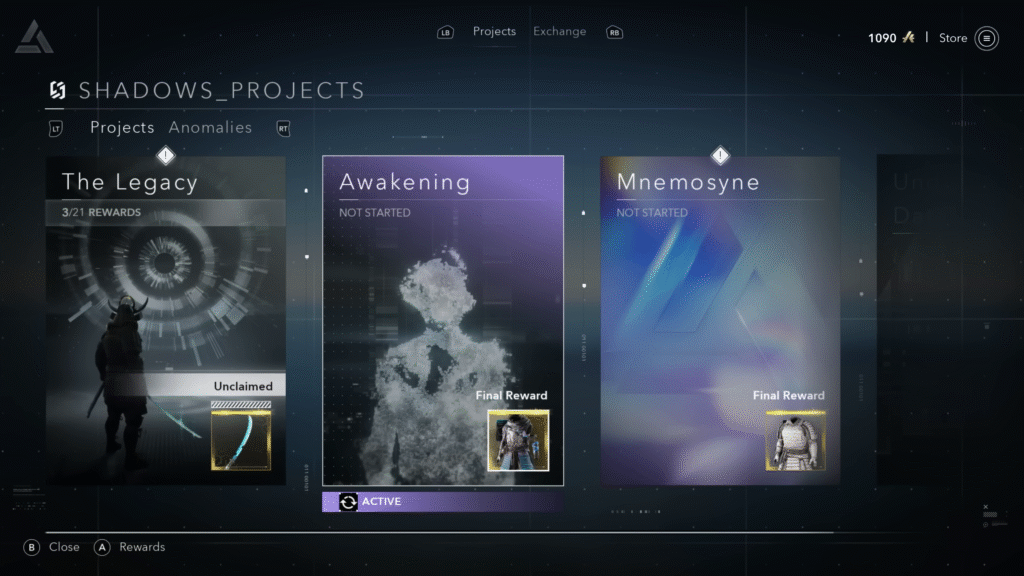
A revolutionary summer roadmap for Assassin’s Creed Shadows was recently released by Ubisoft, and it includes a significant expansion, long-requested features, and tons of new content. This update is expected to revitalize the experience, regardless of whether you are an experienced shinobi or are new to feudal Japan.
From Project 3 and New Game Plus to the Claws of Awaji expansion and exciting quality-of-life updates, let’s explore everything you need to know.
Summer Highlights at a Glance
Date
Update/Event
July 29, 2025
New Game Plus + Project 3
Early September
Quality-of-Life Improvements
August 12, 2025
Reddit AMA with Developers
September 16, 2025
Claws of Awaji Expansion (Free for Pre-orders)
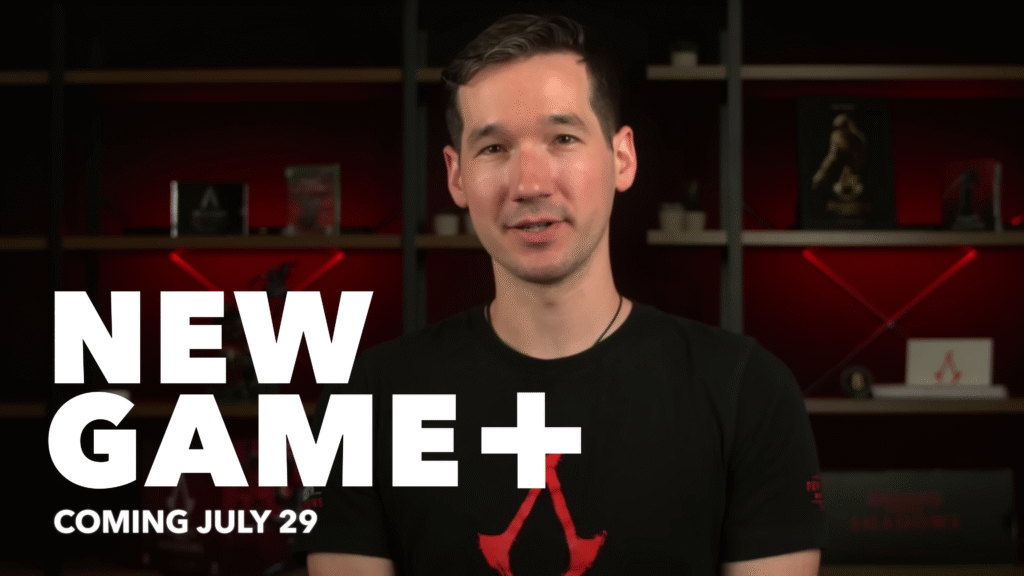
New Game Plus Arrives – July 29, 2025
You asked, Ubisoft listened.
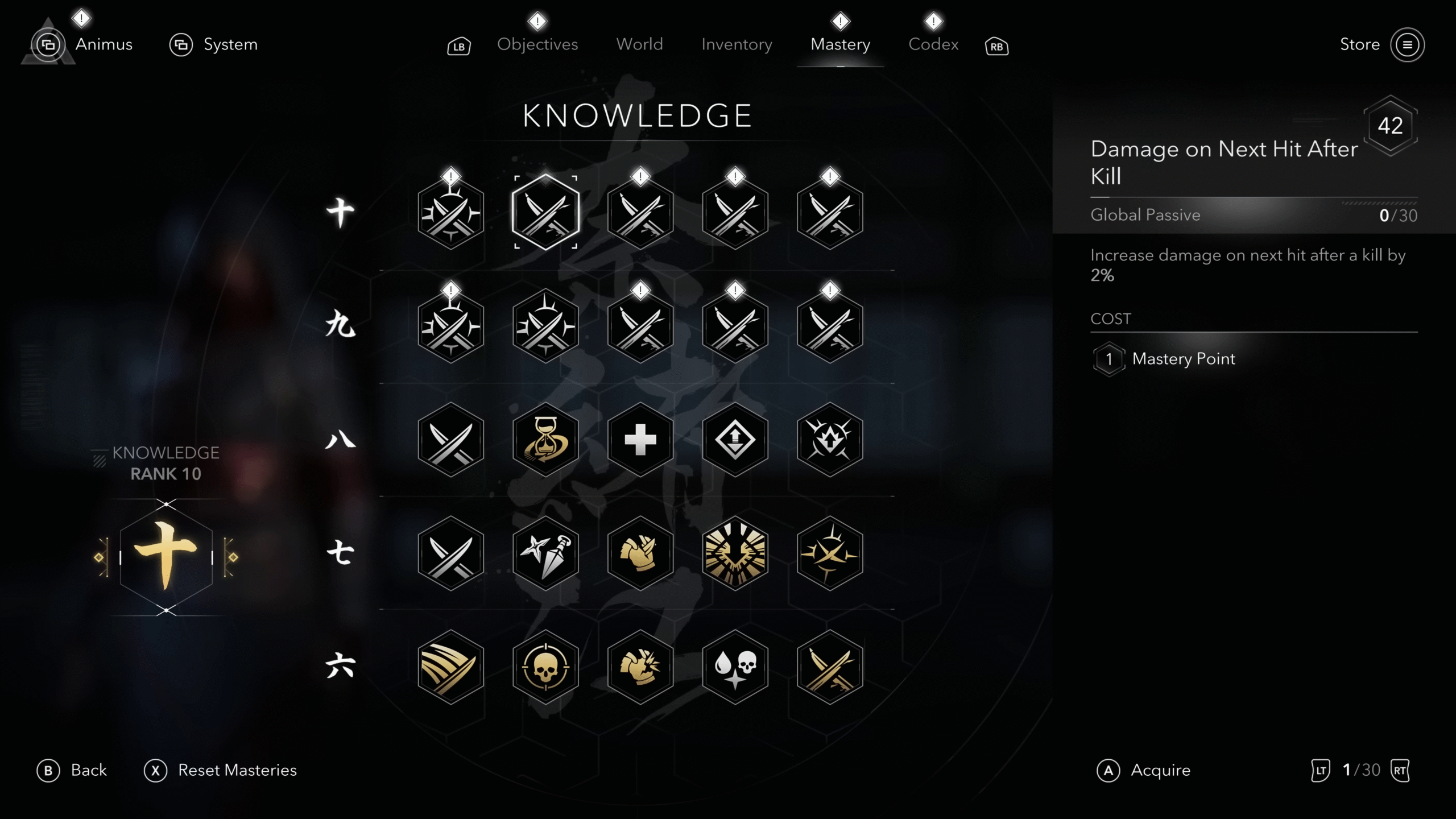
Players will be able to relive the story with their current character level, equipment, knowledge rank, and hideout progression completely intact when New Game Plus finally launches on July 29.
Here’s what resets:
Story progression
Objective board progress
Discovered map locations
Here’s what carries over:
Character level (now increased to a new cap of 80)
Gear and acquired skills
Knowledge and mastery ranks
Hideout progression (including upgrades at Hiji’s Forge)
You can either jump straight to Naoe inheriting the hideout or start the story over from the beginning. Additionally, on your second journey, tutorials are disabled, so don’t worry.
Anticipate upgrades to your mastery skills, new knowledge ranks, and the option to play as Yasuke or Naoe, regardless of how you played initially.
NG+ Rewards:
Complete New Game Plus to unlock exclusive brag-worthy rewards only accessible through this mode.
Project 3 Launches – July 29
Alongside NG+, Ubisoft is dropping Project 3—the latest installment in its ongoing live content system.
What’s Inside:
New resources and data files
Animus-themed collectibles
Trophies and achievements
Fully switchable—no time pressure to finish previous projects
Whether you’re lore-hunting or gear-chasing, Project 3 adds fresh incentive to dive back in.
Quality-of-Life Upgrades – Early September
Ubisoft is answering player requests with a slew of long-awaited improvements arriving in early September:
New Features:
Unfog the map by syncing every viewpoint in a region
Fast-forward time of day for stealth planning and photo ops
HUD and UI customization enhancements
Immersion-focused polish to settings and cutscenes
These features address top community feedback and further refine gameplay flexibility and visual immersion.
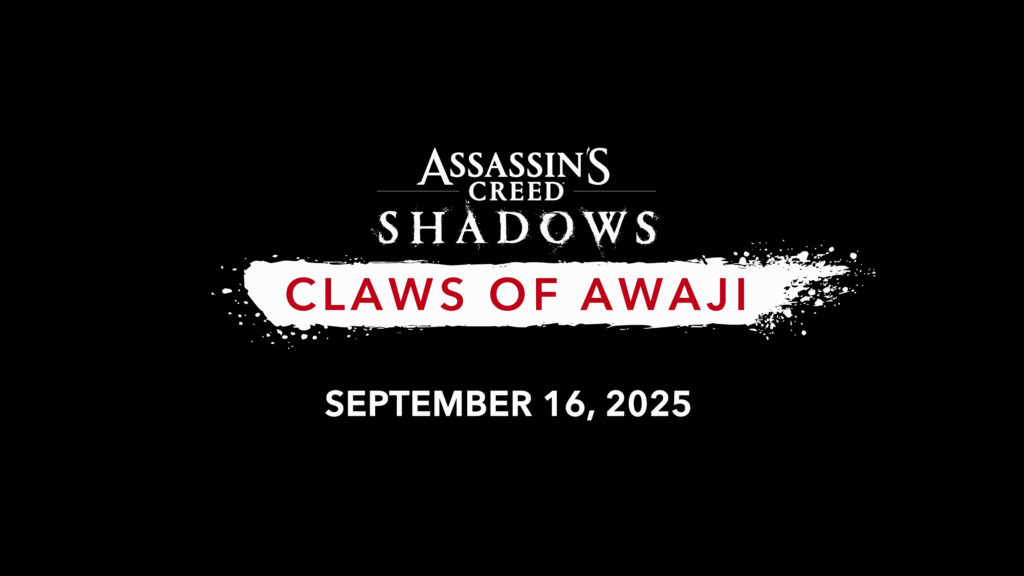
Claws of Awaji Expansion – September 16
Get ready for the first major DLC: Claws of Awaji, landing September 16, 2025.
What’s Included:
Over 10 hours of new content
A brand new region: Awaji Island
New weapon: the Bō staff
New enemy faction: the Sanzoku Ippa
More gear, hideout upgrades, and lore
Important: Claws of Awaji is free for players who pre-ordered Assassin’s Creed Shadows. Others will need to purchase it separately.
Note: You must complete the main campaign to access the DLC.
Reddit AMA – August 12
Do you want to speak with the developers directly?
On August 12, Ubisoft’s team will host a Reddit AMA to answer your most pressing questions, share their future plans, and solicit feedback. Make sure to mark that date on your calendars. Don’t pass up this opportunity to be heard!
Ubisoft’s Community Milestones
Ubisoft also shared some fun milestones:
5+ million players
2 billion stealth kills
38 million animals petted (because priorities)
Clearly, Assassin’s Creed Shadows is resonating with fans, and this roadmap shows Ubisoft is committed to nurturing that success.
Final Thoughts: A Season to Remember
The Assassin’s Creed Shadows summer roadmap promises to enhance your journey in significant new ways, regardless of whether you’re a lore-junkie, a completionist, or simply enjoy cutting through shadows.
There are plenty of reasons to return, including the Claws of Awaji expansion and New Game Plus. In one of the most atmospheric Assassin’s Creed games to date, align your points of view, hone your skills, and get ready for the next chapter.
FAQs
When does New Game Plus release in Assassin’s Creed Shadows?
July 29, 2025. You must complete the story campaign to unlock it.
Do I lose my gear or character level in New Game Plus?
No. Character level, gear, knowledge rank, and hideout upgrades are preserved. Only story, objectives, and map discovery reset.
Is the Claws of Awaji DLC free?
Yes, for pre-order customers. Others must purchase it separately once it launches on September 16.
Can I play as a different main character in NG+?
Yes, you can switch from your original character to either Naoe or Yasuke for a new perspective.
What’s in the September QoL patch?
Fast-forward time of day, map unfogging via viewpoints, HUD customizations, and other fan-requested features.
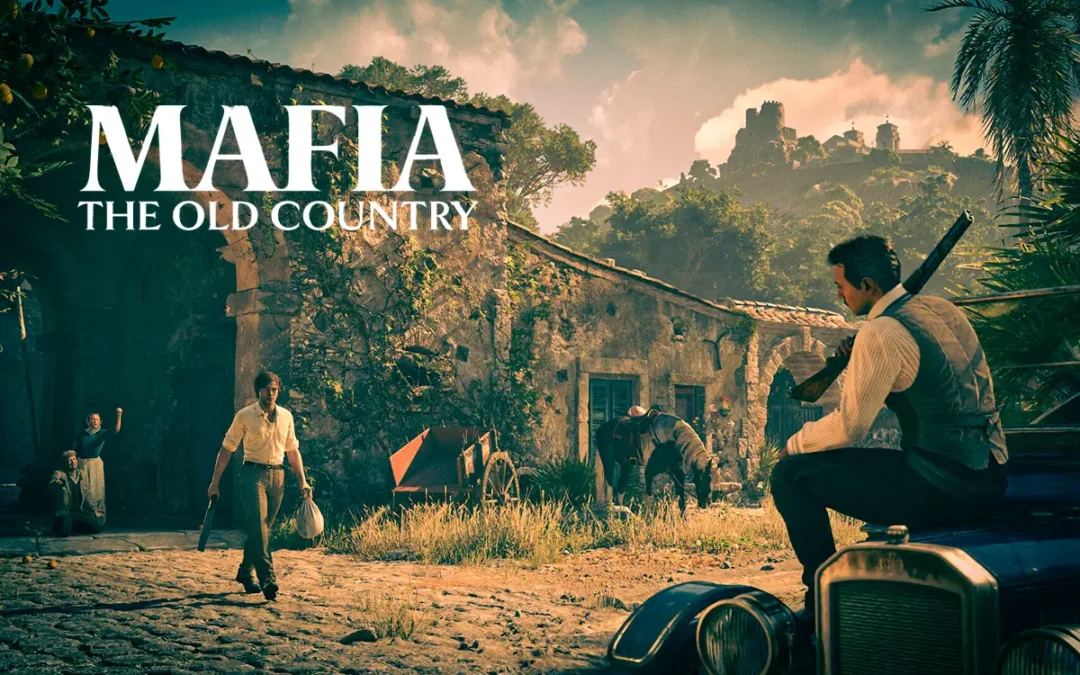
Travel back in time to Sicily in the 1900s, a time when family ties, unbridled ambition, and traditional cruelty were all prevalent. Mafia: The Old Country is a prequel action-adventure film from Hangar 13 and 2K Games that will be available for PC, PS5, and Xbox Series X/S on August 8, 2025.
In This Post
What Makes It Special: A Classic Mafia Story
Origins of the prequel
As Enzo Favara, you ascend from forced labor in Sicily’s sulfur mines to pursue honor in the Torrisi criminal family.
Narrative focus
To recreate the tight storytelling of Mafia I and II, the highly linear structure forgoes the expansive open world of Mafia III.
Historical immersion
Completely set in Sicily in the early 1900s (around 1905), with Sicilian voice acting for authenticity
Gameplay Experience: Stealth, Shootouts & More
Guided by cinematic pacing, expect
Intense shootouts with period weapons (stilettos, lupara shotguns)
Sneak-based takedowns and visceral hand-to-hand combat
Vehicle missions on horseback, vintage cars, and even a limousine later in the narrative
Release Info & Editions
Launch date: Friday, August 8, 2025
Platforms: PlayStation 5, Xbox Series X/S, Windows PC via Steam
Edition choices:
Standard Edition – full game, ~$49.99
Deluxe Edition – includes bonus weapons, cosmetics, digital artbook, and soundtrack for ~$59.99
All pre-orders include the Soldato Pack, containing special knife, outfit, horse, charm
Tech & Development
Built on Unreal Engine 5, offering stunning environments and character detail
Developed by Hangar 13, with collaboration from Sicilian studio Stormind Games, ensuring regional authenticity
Why This Game Matters
After a nine-year break and the mixed reception of Mafia III, this game is a bold return to the franchise’s roots
2K designed it as a lean, narrative-driven experience—a cinematic “mob movie” in interactive form
With GTA 6 delayed, this could fill the blockbuster crime-game void of 2025
From Sicilian roots and stiletto-quiet takedowns to horses, cars, and cinematic retaliation, Mafia: The Old Country aims to capture the essence of the Mafia’s history. Its elegant yet refined design, infused with atmosphere, promises a compelling narrative that will make your summer 2025 gaming sessions worthwhile.
Frequently Asked Questions (FAQ)
Is Mafia The Old Country open‑world?
No—it’s linear with focused mission structure like the first two games
Who is Enzo Favara?
A young Sicilian immigrant and indentured laborer striving to join the Torrisi crime family
Do I need Mafia I‑III to understand it?
Not at all—it’s a standalone prequel introducing a self‑contained Sicilian saga.
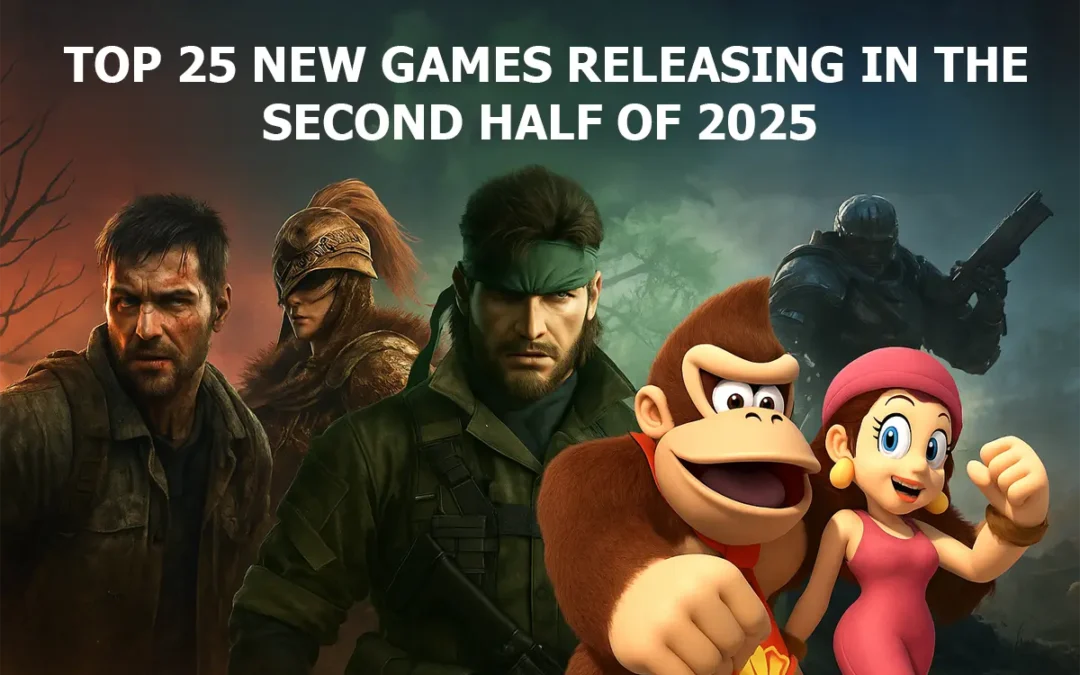
The second half of 2025 promises a wealth of exciting gaming experiences. From chilling horror and cinematic RPGs to inventive indie titles, here’s a polished countdown of the 25 most anticipated releases—each packed with fresh insights and highlights.
In This Post
25. Dying Light: The Beast – Aug 22, 2025
Kyle Crane returns in a standalone thriller, merging parkour, visceral combat, and a heightened beastly transformation—and all set in a tightly focused new locale.
24. Hell Is Us – Sep 4, 2025
A dystopian action-adventure infused with tactical combat, detailed character interactions, and branching questlines in a world that echoes sci-fi and horror.
23. King Makers – Early Access 2025
A bold fusion of medieval warfare and modern gadgetry, where strategic base building meets pickup-truck-fueled chaos.
22. Borderlands 4 – Sep 12, 2025
Gearbox amps up mobility, sharpens their humor, and shifts settings—expect the signature loot-shooter loop dialed up with fresh energy.
21. Ark Raiders – TBD 2025
A distinctive third-person extraction shooter, blending arresting art design with compelling PvPvE action and positive playtest feedback.
20. Wu Chong: Fallen Feathers – July 24, 2025
Set in Ming-era China, this fierce Souls‑like offers a gripping narrative, distinctive protagonist, and haunting mythological foes.
19. Vampire: The Masquerade – Bloodlines 2 – Fall 2025
Reviving the cult classic, this RPG remains on track with hopes of capturing the original’s immersive storytelling and depth.
18. Terminator 2D: No Fate – 2025
A retro-chic side scroller merging Metal Slug style gunplay with beat-’em-up flair—and iconic characters including Sarah Connor.
17. The Outer Worlds 2 – Oct 29, 2025
Obsidian delivers a deeper, more expansive sci-fi RPG—building on romance, morality choices, and side-quest depth.
16. Subnautica 2 – Early Access 2025
The beloved underwater survival sim returns with community-driven design and even more immersive aquatic exploration.
15. Silent Hill F – Sep 25, 2025
A return to fog-filled dread, anchored in Japanese settings and tense stealth combat—designed to redefine the franchise’s horror.
14. Hollow Knight: Silksong – 2025
The long-awaited sequel emerges with more Metroidvania depth, refined movement, and hauntingly crafted landscapes.
13. Sonic Racing CrossWorlds – Sep 25, 2025
An exhilarating racer spanning land, sea, and air—features 23 characters, 24 courses, and vibrant multiplayer modes.
12. Painkiller – Oct 9, 2025
Fast‑paced co-op shooter action returns, packed with massive demons, weapon upgrades, and nostalgic FPS joy.
11. Ninja Gaiden: Ragebound – July 31, 2025
Retro-inspired precision gameplay with stunning animation, razor-focused combat, and music by the original composers.
10. Ninja Gaiden 4 – Oct 21, 2025
Team Ninja and Platinum Games launch a modern revival, blending Ryu’s legacy with fresh, punishing gameplay.
9. Metal Gear Solid Delta: Snake Eater – Aug 28, 2025
A modern makeover of a legendary stealth-action epic—faithful to the original while tuned for accessibility.
8. Mafia: The Old Country – Aug 8, 2025
A throwback crime saga set in early-1900s Sicily—driving, gunplay, and cinematic storytelling at a wallet-friendly price.
7. Lost Soul Aside – 2025
An indie-turned-AAA combat spectacle—fast, fluid, and magical, now fully backed by PlayStation.
6. Little Nightmares 3 – Oct 10, 2025
Creepy platforming meets co-op puzzle-play in a dark, surreal world filled with haunting creatures.
5. Jurassic World Evolution 3 – Oct 21, 2025
The ultimate dino-park management sim offers larger scale, richer ecosystems, and added chaos engineering.
4. Gears of War Reloaded – Aug 26, 2025
The original retooled for modern hardware—4K, cross-play, and its multiplayer debut on PlayStation.
3. Ghost of Yotei – Oct 2, 2025
From the spirit of Tsushima arises a new samurai saga—set on the mainland with fresh enemies and deeper narrative.
2. Donkey Kong Bonanza – July 17, 2025
Pure joy, physics‑powered platforming meets terrain-busting antics—perfect for when you just want to punch stuff and collect bananas.
1. Crimson Desert – Late 2025
Pearl Abyss’s sprawling fantasy epic offers high-end graphics, rich world-building, open combat, magic, and flight—all wrapped in narrative and political intrigue.
Why It Matters
Gaming Diversity: We’re seeing horror, RPGs, co-op shooters, remakes—appealing to every taste.
Next‑Gen Optimization: Many titles push PS5/Xbox Series capabilities, including resolution, performance, and co-op.
Legacy Revivals: This year celebrates fan-favorite remakes (MGS3, Gears, Silent Hill) and sequels (Ninja Gaiden, Borderlands, TJOW2).
Indies & New IP: Risk-taking from smaller devs (Hell Is Us, Terminator 2D) hints at fresh experiences.
Best Gaming Laptop Under 1 Lakh in India (2025 Edition) Click Here
FAQs
When will Dying Light: The Beast release?
August 22, 2025 for PC, PS5, Xbox Series—PS4/Xbox One versions follow later
Is there an exact date for Crimson Desert?
It’s scheduled for “late 2025.” Leaks suggest November 2, 2025, though Pearl Abyss has yet to confirm
What’s new in Silent Hill F?
It shifts to 1960s Japan, introduces new hero and horror style, though retains classic foggy atmosphere
Are any of these coming to Game Pass?
Titles like Wuchang: Fallen Feathers, Borderlands 4, Silent Hill F, and Dying Light entries may hit Game Pass based on Xbox listings
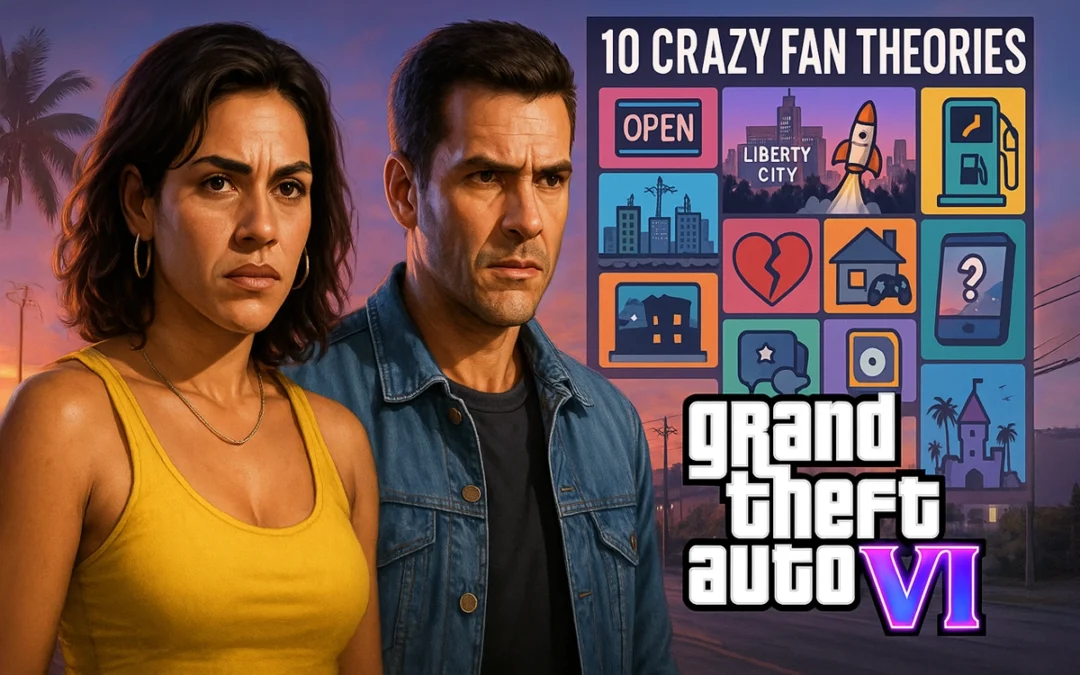
GTA 6 Fan Theories: 10 Wild Ideas That Will Blow Your Mind
Rockstar’s Grand Theft Auto VIhasn’t even dropped yet, and speculation is already in overdrive. Trailers, leaks, and hype have sparked some seriously out-those-ballpark theories. We scoured Reddit, YouTube, and forums to bring you the 10 wildest GTA 6 fan theories—ranked from intriguing to absolutely bonkers.
1. 70% of Buildings Are Enterable
Imagine exploring a sprawling GTA map with interior access to almost every building—newsstands, apartments, offices. It’s ambitious, sure, but leaks hint at procedural interior generation and references to “mega interior locations.” If true, GTA 6 could redefine immersion.
Pros: Richer gameplay, deeper exploration, unique stealth and heist options. Cons: Immense development cost and storage needs—will Rockstar go full-scale or keep interiors limited?
2. Liberty City as a Second Map
Could Vice City be just one half of the game world? Fans point to license plates from Liberty City and classic postcards featuring two landmasses. Some hope for a dual-city setup—Vice and Liberty—instead of DLC expansion.
Reality check: That’d double the already massive map. Rockstar might opt for something smaller, like a Guarma-style side city in story DLC.
3. A Mission in Space?
Yes, you read that right. Avatar said files in internal leak listed “space station,” “astronaut suit,” and “orbit space landscape.” Could one mission fully unfold in orbit?
More plausible twist: It may just be a cinematic cutscene or theme-park-like launch sequence—no zero-g moonwalk, but still cosmic.
4. Functional Gas Pumps & Vehicle Maintenance
Inspired by Red Dead Redemption 2’s realism, fans think Rockstar might introduce gas gauges and service stations.
Imagine: Pulling into a station, choosing fuel type, paying, and filling your tank—plus potential vehicle upkeep. This could push GTA 6 into simulation territory.
5. Hidden Plot Thread in Trailers
A Redditor named RogerRogers63358 suggests Rockstar trailers have always encoded key story beats—Niko’s confrontation, Trevor’s hit, Arthur’s TB reveal—all hidden until hindsight. What if GTA 6 trailers already revealed the big betrayal or twist, but we didn’t notice?
Tip: Re-watch those cinematics—you might catch the moment that changes everything.
6. A “Relationship Meter”
GTA 6’s promo highlights dynamic duo Jason and Lucia—so why not interactive bonds?
Concept: Choices affect their rapport—helping each other boosts the meter, betrayal drains it, and it could shape their fates, much like Red Dead’s honor system.
7. GTA 6 Is Really Red Dead Sequel in Disguise
Here’s one for the conspiracy theorists: Jason looks like Arthur Morgan, Raul like Dutch van der Linde, Lucia connected to other plot lines… ergo, GTA 6 is the actual next chapter of Red Dead.
Reality check: This theory hinges on superficial similarities. Rockstar keeps HD and 3D universes separate, so odds are slim to none.
8. Playable In-Game Console Games
One of the trailers shows a character playing on a console inside the game. Could we literally be able to play “GTA 6-mini-games”?
Think Yakuza-style arcade, Uncharted-style Crash cameo, or entirely new mini-games exclusive to the in-game universe.
9. Social Media In-Game
From trailers, in-game social platforms are spotlighted. A social media system could let NPCs film your antics and post them—say, on a satirical equivalent of X or TikTok.
Further speculation: Monetize viral content, climb follower counts, unlock missions based on your ‘influencer’ status. Would feel eerily real in 2025’s digital culture.
10. Full-Fledged Story DLC
This might be the most controversial theory: Rockstar won’t abandon single-player. Following GTA 4 and Red Dead’s impactful DLCs (like Undead Nightmare), fans want big content packs—not just GTA Online updates.
But GTA Online’s profits may tilt Rockstar’s priorities back to multiplayer over narrative expansions.
Bonus Wild Theories
GTA-style Amusement Park A nod to Florida’s Disney World—complete with rides, mascots, theme zones, and maybe an Easter egg like hidden Frozen heads.
Lucia’s Secret Heritage Theory guards she’s Claude or Catalina’s daughter from GTA 3—but Rockstar officially separates the HD and 3D universes, so probably not canon.
What’s Most Likely?
Social media—already teased in trailers.
In-game console mini-playables—feasible and playful.
Procedural interiors—leaks hint strongly but may be limited at launch.
Relationship meter—plausible if they add RPG-lite mechanics.
Realistic features like gas pumps—possible but could bloat gameplay.
The rest? Pure speculation, but fun to muse on.
Why Fan Theories Matter
Excitement Booster: They fuel hype and community discussion.
Developer Insight: Leaks and trailer analyses sometimes reveal real plans.
Set Expectations: They help fans shape hopes—and prepare for disappointment if ideas aren’t included.
Final Take
GTA 6 looks ambitious and immersive—plenty of room for surprises. Whether it’s crime, chaos, cosmic missions, or console mini-games, Rockstar is primed to blow us all away. Which theory do you believe? Let me know—because nothing’s crazier than collective anticipation.
FAQ
Will GTA 6 feature Liberty City at launch?
Most likely not in full. Trailer hints might reference it, but current leaks suggest a single, massive Vice City–style mainland.
Can we refill our car’s gas in GTA 6?
A working fuel system is possible, echoing Red Dead’s realistic world, but Rockstar may keep it simple or skip it for flow.
Is there really a space mission?
Leaked file names hint at it, but even minimal form—like a stadium rocket launch cutscene—is more plausible than an orbital level.
What’s a “relationship meter”?
Think of it as an emotional dashboard measuring Jason and Lucia’s bond—choices affect trust, dialogue, and possibly endings.
Could GTA 6 get single-player DLC later?
Absolutely possible, though Rockstar may focus initial efforts (and dollars) on GTA Online-style expansions.
The gaming world is on fire with anticipation for Grand Theft Auto 6. The franchise, crafted by Rockstar Games, has already carved its place as one of the most successful and revolutionary series in gaming history. Now, with its sixth installment on the horizon, speculation is at an all-time high—not just about gameplay or storyline, but about the Grand Theft Auto 6 cost itself.
Gamers, content creators, and analysts are all throwing out wild guesses, memes, and serious financial analyses trying to answer one simple question: How much will GTA 6 cost?
Why all the fuss? Because GTA 6 is not just another game—it’s a cultural event. From improved NPC interactions and revolutionary graphics to massive open worlds with real-time weather systems, everything we’ve seen (or speculated) screams next-level. And of course, next-level comes with a price tag. Whether you’re a hardcore fan or a casual gamer, understanding the Grand Theft Auto 6 cost could help you prepare both mentally and financially.
The Importance of Pricing in Modern Gaming
Price is no longer just a number—it’s a statement. With the rise of microtransactions, downloadable content (DLCs), and battle passes, what you pay upfront may just be the beginning. For blockbuster titles like GTA 6, the cost can set a new industry standard.
The question now is whether Rockstar will follow the trend of $70 base games or break barriers with a $100+ price tag. And with rumors swirling around collector’s editions, online subscriptions, and exclusive content, the Grand Theft Auto 6 cost is not a simple figure—it’s a layered experience.
Let’s rewind the clock. GTA III debuted in 2001 with a retail price of around $50. GTA: Vice City and San Andreas followed suit, each raising the bar in open-world design. When GTA IV launched in 2008, the standard edition retailed for $59.99—an industry norm that would stick around for a while.
Then came Grand Theft Auto V in 2013. Again, priced at $60, it offered an unprecedented level of detail, narrative depth, and online multiplayer functionality. In fact, GTA V has sold over 180 million copies worldwide, setting records across platforms.
Here’s the catch: while the sticker price stayed relatively stable, Rockstar and other game studios began monetizing through additional means. Enter GTA Online, with its in-game currency, Shark Cards, and endless microtransactions. This trend could play a big role in determining the Grand Theft Auto 6 cost today.
Inflation and Industry Standards
Let’s do the math. Adjusted for inflation, that $60 in 2013 is equivalent to about $75 today. The industry is responding. Games like “Call of Duty: Modern Warfare II” and “NBA 2K24” have already embraced the $70 base model, especially on next-gen consoles.
So, what does this mean for GTA 6? The Grand Theft Auto 6 cost could very well land at $70 or more just for the base game. If Rockstar adds early access, bonus content, or physical merchandise, expect deluxe or collector’s editions to easily hit $100-$150.
The Economics Behind Game Development
Rising Development Costs
Creating a masterpiece like GTA 6 isn’t cheap. We’re talking about hundreds of millions of dollars in development budgets. It’s been reported that Rockstar has spent upwards of $2 billion on GTA 6’s development—a figure that dwarfs even most Hollywood blockbuster movies.
What are they spending on? Everything from ultra-realistic NPCs and weather patterns to AI-driven pedestrian behavior and fully rendered cities. The price also includes casting well-known actors, voiceovers, and creating original music scores.
And let’s not forget the technical side—Rockstar has probably invested in custom game engines, new server infrastructures, and global testing teams to ensure the game runs seamlessly. With all these factors, it’s no wonder that the Grand Theft Auto 6 cost might be higher than ever before.
Marketing and Distribution Expenses
The cost doesn’t stop at development. Rockstar is known for its massive marketing campaigns. Teaser trailers, full-scale ad placements, influencer partnerships, and perhaps even live events—these are all part of the expense pie.
Add distribution logistics into the mix, including digital platforms like Steam or Epic Games, and the cost balloons even further. Whether it’s digital downloads or physical copies, every element adds pressure to increase the base price to ensure profitability.
So, what’s the conclusion? When you combine high development and marketing costs, the only logical result is a higher Grand Theft Auto 6 cost.
Rumors and Speculations About GTA 6’s Price
The $70 Standard
Right now, the $70 price point is becoming the new normal for AAA next-gen titles. Games like “Ratchet & Clank: Rift Apart,” “Hogwarts Legacy,” and “Final Fantasy XVI” have embraced it without much consumer resistance. It’s a likely baseline for GTA 6.
Given Rockstar’s reputation for delivering value-packed games, most fans won’t flinch at $70. However, considering the scope teased in trailers, the Grand Theft Auto 6 cost might not stop there.
Speculations of a $100 Price Tag
Some insiders believe GTA 6 could be the first game to launch with a standard edition priced at $99.99. Why? The immersive gameplay, multiple playable protagonists, and hyper-realistic world-building all demand serious hardware—and serious budget. A premium price tag might be Rockstar’s way of covering its massive investment.
This speculation gained traction following leaks and humorous YouTube skits (like this viral one) claiming outrageous costs. While $22,000 is clearly satire, the underlying point remains: this game might break the pricing mold.
Collector’s Editions and Their Impact
Rockstar has a history of releasing Collector’s Editions. For GTA V, they introduced a $149.99 edition that included a physical blueprint map, a hat, and in-game bonuses. Expect something similar—or more extravagant—for GTA 6.
A Collector’s Edition could drive the Grand Theft Auto 6 cost to $200 or more. Themed accessories, exclusive missions, or even early access windows could sweeten the deal. And with fan loyalty at an all-time high, these editions might sell out quickly.
Factors Influencing GTA 6’s Pricing
Technological Advancements
From 4K visuals and ray tracing to AI-powered environments, GTA 6 is poised to be a technological marvel. All of these features add layers of cost—not just in development, but also in optimization for different platforms.
Realistic lighting, crowd dynamics, and environmental effects will push the boundaries of what gaming hardware can do. Rockstar may even delay older console releases, favoring next-gen systems like PS5 and Xbox Series X. This complexity will definitely impact the Grand Theft Auto 6 cost.
Content Volume and Game Longevity
GTA games aren’t just 10-hour campaigns. They’re massive, interactive worlds where you can lose hundreds of hours. Rockstar typically packs its titles with side missions, easter eggs, and a living, breathing world. All of that content needs to be developed, tested, and polished.
A longer game lifespan means higher development cost—and a higher Grand Theft Auto 6 cost for consumers. But it also means more value per dollar spent, which can soften the blow of a higher price tag.
The Role of Online Components in Grand Theft Auto 6 Cost
GTA Online’s Success and Its Influence
If there’s one thing that significantly padded Rockstar’s pockets, it’s GTA Online. Since launching in 2013, it has generated over a billion dollars in revenue through microtransactions. That success has undoubtedly shaped Rockstar’s approach to future game development—including Grand Theft Auto 6.
The new installment is expected to feature a revamped or standalone online mode with even more dynamic interactions, real-time events, and possibly persistent world elements similar to MMOs. This kind of ongoing service model doesn’t just enhance gameplay—it changes the pricing game.
It’s quite possible that the Grand Theft Auto 6 cost will include a base price for the campaign and a separate or add-on cost for the online experience. Rockstar might even introduce tiered subscriptions or season passes similar to what we see in games like “Fortnite” or “Call of Duty: Warzone.”
Potential Subscription Models and Recurring Revenue
Subscription gaming is no longer a fringe idea. With services like Xbox Game Pass, EA Play, and Ubisoft+, gamers are getting used to monthly payments for access to vast libraries. Rockstar could tap into this trend by offering a subscription for exclusive GTA Online content, early access to DLCs, or digital currency bonuses.
This model creates long-term revenue for Rockstar and, depending on how it’s structured, might actually make the Grand Theft Auto 6 cost more manageable. Think $15/month instead of a $100 lump sum, and you’ve got a different ballgame.
However, this approach would need to strike a balance between offering value and avoiding the dreaded “pay-to-win” model, which can alienate casual players. Transparency in what you’re paying for will be crucial.
Comparing Grand Theft Auto 6 Cost with Other AAA Titles
Pricing Trends Across the Gaming Industry
Take a look around the AAA market, and you’ll find a clear trend: game prices are climbing. “Hogwarts Legacy,” “The Legend of Zelda: Tears of the Kingdom,” and “Final Fantasy XVI” all pushed into the $70+ territory. Collector’s editions for games like “Starfield” and “The Last of Us Part I” went well over $100.
So if you’re shocked by a $100 Grand Theft Auto 6 cost, you shouldn’t be. The entire industry is moving in that direction, especially for games with high replay value and rich world-building.
What sets Rockstar apart is its consistency in delivering value. If GTA 6 delivers even half of what fans are speculating—massive maps, dual protagonists, real-world mechanics, detailed NPCs—it would still offer more bang for your buck than most.
Lessons Learned from High-Budget Games
Remember Cyberpunk 2077? Huge hype, even bigger disappointment—at least at launch. It taught developers and consumers a valuable lesson: price must match polish. If Rockstar fails to deliver a seamless, engaging experience, even the most loyal fans may balk at the price.
Conversely, Red Dead Redemption 2, another Rockstar masterpiece, launched at $60 and was hailed as a triumph. Its success proved that quality speaks louder than price tags. So long as Rockstar delivers, the Grand Theft Auto 6 cost—no matter how steep—will be justified.
Consumer Expectations and Reactions to GTA 6 Cost
Community Sentiment Around the Price Tag
The internet is buzzing with memes, YouTube spoofs, and Reddit threads speculating on the Grand Theft Auto 6 cost. While many are in jest (like claims of $22,000 for realistic lighting), the undercurrent is clear: gamers are preparing for a significant price hike.
The community seems split. One half argues that with inflation and massive development costs, a $70–$100 price tag is fair. The other half fears a slippery slope where pricing becomes exclusionary, and premium content gets locked behind expensive paywalls.
To navigate this, Rockstar will need to do more than slap a price tag on the game—they’ll need to show players what they’re getting in return. Early trailers, gameplay reveals, and developer transparency will all play a role in softening or fueling the reaction.
Value Perception and the Power of Delivery
Gamers are willing to pay premium prices—but only if they feel they’re getting premium experiences. That’s why the launch phase of GTA 6 is so critical. A bug-ridden or content-light release could tank its value perception faster than you can say “five stars.”
If, however, Rockstar rolls out a polished, content-rich game that pushes the boundaries of open-world gaming, then a higher Grand Theft Auto 6 cost will feel not only acceptable but deserved. That’s the real test: not how much it costs, but whether it’s worth the cost.
Potential Pricing Models for GTA 6
Base Game, Deluxe, and Collector’s Editions
Let’s break down potential pricing tiers Rockstar might implement:
All digital content + season pass + exclusive items
This tiered approach helps Rockstar cater to every kind of gamer—from those looking for the basics to collectors who want the full Rockstar experience. Expect digital bonuses, early access, and limited edition swag to justify the high-end versions.
The Grand Theft Auto 6 cost will also vary based on your purchase method. Physical copies might offer collectibles, but digital pre-orders could offer day-one patches, bonus currency, and double XP perks.
Pre-Order Incentives and Bundled Offers
We’ve already seen pre-order bonuses become standard. Expect Rockstar to follow suit. Common incentives could include:
Exclusive in-game vehicles
Early access to story missions
Double RP for the first week
Unique clothing items for your online avatar
These small perks can tip the scale for hesitant buyers, especially if the base Grand Theft Auto 6 cost is high. Don’t be surprised if there’s also a bundle including past Rockstar hits, like a remastered GTA V or Red Dead Redemption.
Regional Pricing Considerations
Currency Exchange and Purchasing Power
GTA is a global phenomenon, but pricing it fairly across different economies is no small feat. A $70 price in the U.S. could translate to over $100 in some countries due to exchange rates, import taxes, and platform fees.
To address this, Rockstar may use geo-specific pricing models based on local currency and economic conditions. This is already being done by platforms like Steam, which adjusts game prices regionally. A similar model could be expected for GTA 6 to ensure accessibility across the globe.
Addressing the Global Gamer Base
Affordability is key. Rockstar will need to ensure that their pricing strategy doesn’t alienate key regions like Southeast Asia, South America, and Eastern Europe—where purchasing power is lower but the player base is huge.
Offering regional bundles, localized special editions, or even region-specific promotions might help offset the Grand Theft Auto 6 cost for players worldwide.
Impact of Grand Theft Auto 6 Cost on the Gaming Industry
Setting New Pricing Standards
There’s no denying that Grand Theft Auto 6 could redefine how games are priced. Much like how GTA V influenced storytelling, online components, and monetization, GTA 6 might do the same for pricing. If Rockstar successfully launches the game at $70–$100+ without significant backlash, other publishers are likely to follow suit.
This would cement a new norm for AAA pricing—especially for massive, open-world games with extended content cycles and online integration. The Grand Theft Auto 6 cost becomes not just a topic of interest but a benchmark in the industry.
Should Rockstar stumble, however, with glitches or missing features, it could also set the opposite trend—where fans demand more value for money and resist pricing inflation.
Influence on Future Releases
Publishers like Ubisoft, EA, and Activision are watching closely. If GTA 6 can command a $100 price tag and still break records, it opens the floodgates for similarly priced releases. It also reshapes what “value” means in gaming. More immersive content, more frequent updates, and more personalized experiences may become the new expectation.
That pressure will push developers to invest more, but also potentially rely more heavily on microtransactions and season passes. Ultimately, GTA 6’s pricing success or failure could influence game development roadmaps across the entire industry.
When all is said and done, Grand Theft Auto 6 cost boils down to one central question: Is it worth it?
From what we’ve seen, heard, and speculated, GTA 6 promises to be more than just a game—it’s poised to be a landmark entertainment product. If Rockstar delivers everything it’s teased—next-gen visuals, dynamic AI, cross-platform gameplay, online ecosystems, and storytelling like never before—then yes, a premium price could be fully justified.
But price alone won’t determine the game’s success. It will depend on how Rockstar rolls out the features, supports the community post-launch, and ensures players feel they’re getting real value. Transparency, polish, and performance are key.
So, whether it’s $70, $100, or more, prepare yourself: Grand Theft Auto 6 cost is likely going to be higher than we’ve ever seen before—but if Rockstar plays their cards right, it might be the best money you’ve ever spent on a video game.
Will Grand Theft Auto 6 be worth its price?
Yes, if Rockstar delivers on the rumored features and scale, it could easily justify a higher price point. However, the final verdict depends on polish, gameplay depth, and post-launch support.
How does GTA 6’s price compare to previous titles?
Previous titles launched at $50–$60. GTA 6 is expected to launch between $70–$100, reflecting both inflation and technological advancements.
Are there any confirmed editions of GTA 6?
As of now, Rockstar hasn’t confirmed editions, but leaks and industry trends suggest multiple tiers—standard, deluxe, and collector’s editions—are likely.
Will there be regional pricing differences?
Yes, most likely. Rockstar is expected to implement geo-specific pricing to account for currency and purchasing power variations across markets.
How can consumers prepare for the game’s release?
Start budgeting now, follow Rockstar’s official announcements, and look out for early bird bundles or pre-order bonuses to maximize value.