Resident Evil Requiem review begins with a simple truth: Resident Evil Requiem is Capcom swinging for the fences. It blends the first-person terror of Resident Evil 7 and Village with the over-the-shoulder action of the Resident Evil 2 and Resident Evil 4 remakes. It sounds messy on paper. In practice, it works far better than it should.
In This Post
This is not just another sequel. It is a celebration of the franchise.
If you are wondering whether Resident Evil 9 is worth buying, here is the full breakdown.
A Hybrid of Old and New Resident Evil
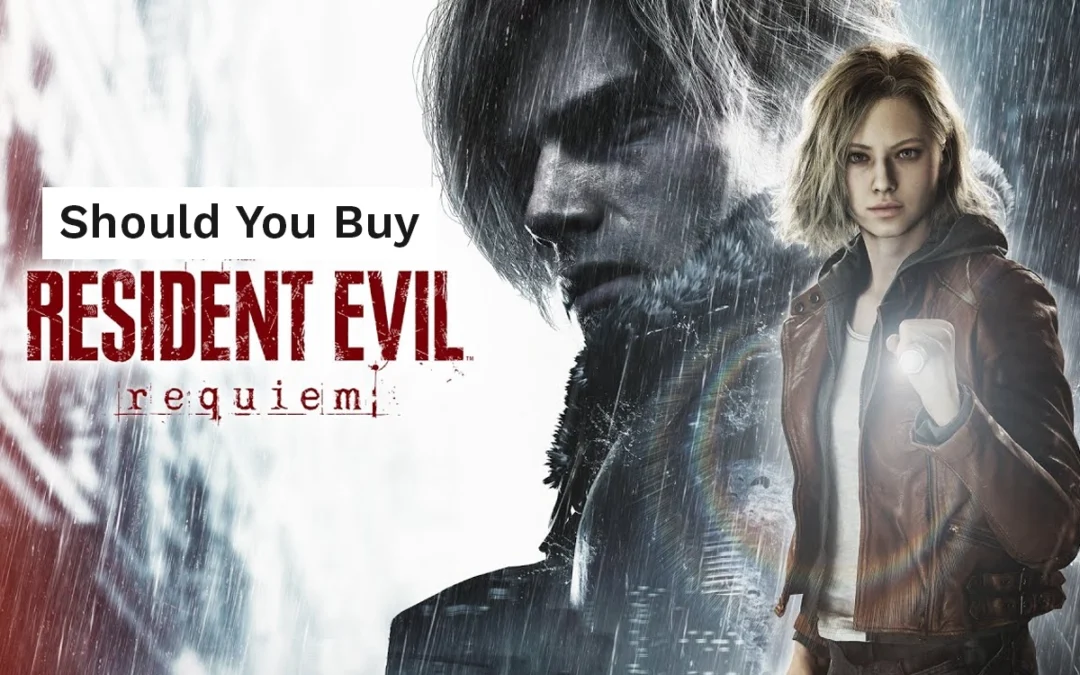
Requiem tells the story of Grace Ashcroft, a new FBI agent caught in biological chaos, while Leon S. Kennedy operates in parallel. You alternate between the two characters across a linear campaign.
The twist is simple but bold:
Grace = First-person survival horror
Leon = Third-person action horror
You can swap camera styles in the settings, but the intended design clearly separates their identities. And that contrast drives the entire experience.
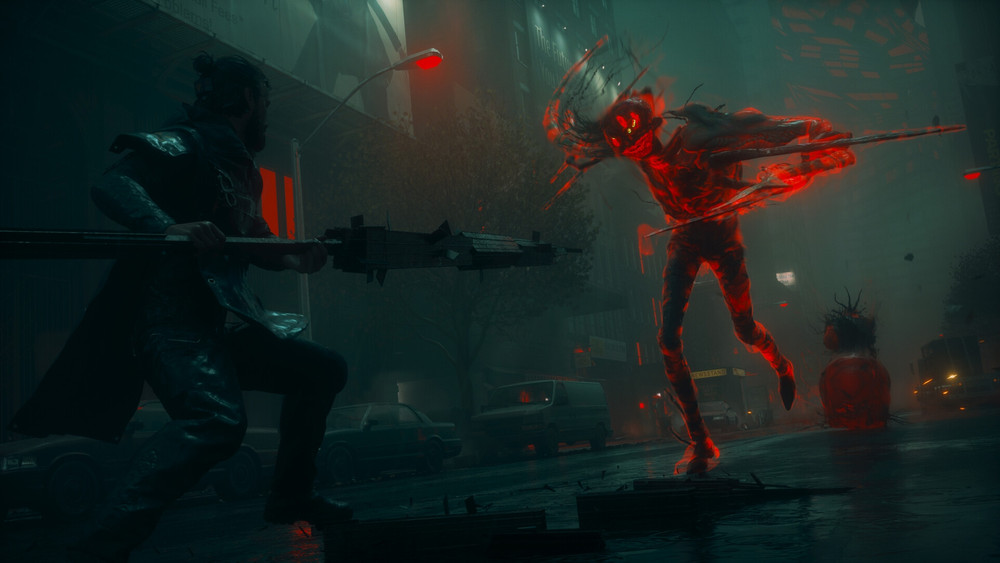
Leon’s sections feel like stepping straight back into Resident Evil 4 Remake. Clean gunplay. Brutal melee. Big cinematic energy.
Instead of clashing, the two styles complement each other. The pacing stays fresh because the tone constantly shifts.
Grace Ashcroft – Survival Horror Done Right
Grace’s gameplay channels the DNA of Resident Evil 7: Biohazard.
Expect:
Claustrophobic level design
Inventory management stress
Environmental puzzles
Scarce resources
Tension-first combat
You can stealth, but options are limited. You can distract enemies with glass bottles, but those are scarce. You will run. You will hide. You will fight only when necessary.
Grace is not helpless, though. She can:
Use firearms
Stun and shove enemies
Upgrade stats through syringes
Expand inventory space
Craft items using traditional materials plus a new blood collection system
The blood mechanic is clever. You harvest blood from fallen enemies and use it as a crafting resource. It adds another layer of strategy but also forces you to manage another inventory tool.
These sections feel deliberate and methodical. You learn the layout of each space. You memorize enemy patterns. It is survival horror with modern polish.
Leon S. Kennedy – The Power Fantasy Returns
Leon’s segments are pure adrenaline. If you loved Resident Evil 4, you will feel at home immediately.
Combat is aggressive and fluid:
Context-sensitive roundhouse kicks
Wall-based stun combos
A new axe weapon replacing the knife
Parry mechanics returning
Cinematic finishers
The axe is borderline overpowered. It can parry. It can execute. It just needs occasional sharpening, which effectively resets durability.
Weapon progression is robust:
Buy weapons with currency
Upgrade stocks, muzzles, magazines
Boost recoil control, power, capacity
Unlock bonus keychains
Earn extra gear via challenge points
There is no merchant personality like past entries, but the upgrade system remains satisfying.
Leon’s campaign moments lean into spectacle. Hero shots. Dramatic reload animations. Over-the-top sequences. It is fan service, but earned fan service.
Certain areas and at least one boss encounter echo moments from:
Resident Evil 2
Resident Evil 3
Resident Evil 4
Veteran players will notice it instantly.
It never sinks the game, but it does occasionally feel like Capcom dipped into the nostalgia well a bit too eagerly. That said, the highs are so strong that most players will forgive it.
This game is effectively a victory lap for the franchise.
Story – Big Swings, Mixed Expansion
Requiem revisits familiar themes and locations, including Raccoon City.
Some fans may wish it dug deeper into the legacy of Resident Evil. There are intriguing narrative threads, but not all of them are explored as deeply as they could have been.
The game takes bold story swings. Some lore fans will debate them. That is guaranteed.
Still, it feels meaningful. Not filler.
Length, Replayability, and Difficulty
First playthrough: ~10.5 hours
Two runs: ~18–19 hours total
Multiple difficulty modes
Challenge-based unlock system
Limited carry-over progression
This is standard Resident Evil length. If you expect a 30-hour epic, you are in the wrong franchise.
Replayability exists, but it is not as expansive as it could have been.
Performance and Graphics
Played on PlayStation 5 Pro, performance is strong overall.
Highlights:
Excellent HDR presentation
Strong lighting
Detailed environments
Stable performance
Minor issues:
Occasional texture flickering
One intense cinematic sequence with performance dips
A few visually drab environments
Roughly 80 percent of the game looks stunning. The rest is solid but not jaw-dropping.
PC performance will need separate evaluation.
Resident Evil Requiem Review – Should You Buy It?
Yes.
Resident Evil Requiem is not the definitive ultimate Resident Evil experience. But it is one of the most entertaining.
It successfully merges:
The dread of first-person survival horror
The swagger of third-person action
The DNA of modern remakes
The tone of classic entries
It feels confident. It feels polished. Most importantly, it feels fun.
For long-time fans, it is a celebration. For newer players, it is a strong entry point.
Capcom pulled off a difficult balancing act. That alone deserves respect.
Conclusion
Resident Evil Requiem proves the franchise still knows exactly what it is. It delivers fear, spectacle, and satisfying combat in equal measure. While it leans on nostalgia and occasionally reuses ideas, the overall experience is strong enough to stand tall on its own.
If you enjoy survival horror with modern polish, this is worth your time.
FAQs
1. Is Resident Evil Requiem first-person or third-person?
Both. Grace’s campaign defaults to first-person. Leon’s defaults to third-person. You can change this in settings.
2. How long is Resident Evil Requiem?
Around 10–11 hours for a first playthrough. Roughly 18–20 hours for two runs.
3. Do I need to play previous Resident Evil games?
It helps, especially Resident Evil 2 and Resident Evil 4, but new players can still follow the story.
4. Is Resident Evil Requiem scary?
Yes. Grace’s sections lean heavily into tension and claustrophobic horror.
5. Does Resident Evil Requiem have replay value?
Moderate. Multiple difficulty levels and unlockable items encourage at least one additional playthrough.
Sony’s February 2026 State of Play delivered one of the most stacked PlayStation showcases in recent memory. From legacy franchise revivals to bold new IP, remasters, surprise shadow drops, and major third-party reveals, this event had something for every type of gamer.
Here is a complete breakdown of every major PlayStation State of Play announcement, including release dates, remasters, new games, and industry-shaking updates.
In This Post
Legacy of Kain Returns With Multiple Projects
Legacy of Kain: Defiance Remastered
The biggest surprise of the night was the return of the cult-classic franchise Legacy of Kain: Defiance.
Sony officially announced Defiance Remastered, following the successful remake treatment of Soul Reaver 1 and 2. This marks the first time the final mainline entry in the franchise will be playable on modern PlayStation hardware.
Fans have waited years for this.
The remaster aims to preserve the gothic tone, dual-protagonist gameplay, and iconic voice performances while improving visuals and performance for PS5.
Legacy of Kain: Ascendants
Alongside the remaster, Sony confirmed a brand-new 2D project titled Legacy of Kain: Ascendants.
This animated-style side project explores canon events featuring Kain and Raziel. It looks experimental, possibly testing the waters for a full franchise revival.
If executed well, this could mark the rebirth of one of PlayStation’s darkest franchises.
Metal Gear Solid Master Collection Volume 2 Finally Frees MGS4
After years of fan requests, Metal Gear Solid 4: Guns of the Patriots is officially leaving PS3 exclusivity.
Metal Gear Solid: Master Collection Vol. 2 includes:
Metal Gear Solid 4
Metal Gear Solid: Peace Walker
Metal Gear Solid: Ghost Babel
This is massive.
MGS4 has been locked to PS3 hardware for nearly two decades. Bringing it to PS5 ensures preservation and introduces the “weird but brilliant” entry to a new generation.
Volume 1 will also receive higher-resolution updates for MGS1 and MGS3.
Konami appears serious about restoring its legacy franchises.
God of War Remake Trilogy Confirmed
Sony confirmed early development of a remake for the original God of War Greek trilogy.
Even better, TC Carson returns.
The big question:
Will Sony modernize combat to match God of War (2018)? Or preserve the fast, combo-heavy hack-and-slash roots?
Alongside that announcement, Sony shadow-dropped:
God of War: Sons of Sparta
God of War: Sons of Sparta
A smaller-scale prequel featuring Kratos and Deimos. It leans into Greek mythology and offers a fresh art style. It is available now.
This is a clear push to expand the franchise’s Greek era.
Silent Hill Townfall Fully Revealed
4
Konami unveiled a full gameplay reveal of Silent Hill: Townfall.
The game:
Features a new protagonist
Takes place in a new haunted town
Uses a first-person perspective
Emphasizes psychological horror
The atmosphere looks promising. Sound design and lighting appear strong.
The biggest unknown remains creature design. Silent Hill lives or dies by its monsters.
New Castlevania: Belmont’s Curse
Konami also announced Castlevania: Belmont’s Curse.
Developed by Evil Empire, the team behind Dead Cells post-launch support, this is a full 2D action revival.
Classic Belmont. Modern polish.
If any studio understands responsive 2D combat, it is Evil Empire.
A Full Third-Person John Wick Game Is Coming
A full third-person action game based on John Wick is officially in development.
Developed by Saber Interactive, known for Space Marine 2, the game will feature:
Keanu Reeves’ likeness and voice
Gun-fu combat
Close collaboration with franchise creators
This has real potential.
If Saber nails the fluid combat rhythm of the films, this could be one of the best movie-to-game adaptations ever made.
Control Resonant Shows Bold New Direction
Control Resonant expands Remedy’s universe with:
Pull-back camera perspective
Heavier melee focus
Gravity manipulation mechanics
Surreal horror imagery
It feels different from the original Control, but still distinctly Remedy.
Risky shift. High upside.
Star Wars Galactic Racer Revives Pod Racing Energy
Star Wars Galactic Racer brings arcade-style racing back to the galaxy.
Fans spotted pod racing callbacks including Sebulba and Ben Quadinaros. Nostalgia is strong here.
If this blends arcade speed with modern visuals, it could fill a long-missing niche.
Marathon Server Slam Announced
Marathon gets a limited-time server slam from February 26 to March 2.
Bungie is clearly stress-testing infrastructure ahead of launch.
Diablo II: Resurrected Gets New Warlock Class
Blizzard surprised fans by adding a new Warlock class to Diablo II: Resurrected.
That is rare.
Major new classes in legacy ARPG remasters show Blizzard investing in long-term support again.
Highguard Developer Layoffs Raise Concerns
Live-service shooter Highguard faces uncertainty after significant layoffs at its developer.
Despite earlier statements about long-term runway, this signals turbulence.
The live-service market remains brutally competitive.
Final Thoughts on PlayStation State of Play February 2026
This was a heavyweight showcase.
Konami re-entered the arena aggressively. Sony leaned into nostalgia and remakes. Third-party support looked strong. Multiple shadow drops boosted immediate engagement.
The clear themes:
Franchise revival
Legacy preservation
Calculated nostalgia
High-risk new IP experimentation
If even half of these projects land, 2026 could be one of PlayStation’s strongest years in a decade.
FAQs
1. What was the biggest announcement at State of Play February 2026?
The God of War trilogy remake and Metal Gear Solid 4 leaving PS3 exclusivity were the biggest fan reactions.
2. Is Metal Gear Solid 4 finally playable on PS5?
Yes. It is included in Master Collection Volume 2.
3. When is Silent Hill Townfall releasing?
It is expected in 2026, though an exact date was not confirmed.
4. Is the John Wick game first or third person?
It is officially a third-person action game.
5. Is the God of War remake changing combat style?
Sony has not confirmed whether it will adopt the 2018 over-the-shoulder style or preserve the original hack-and-slash gameplay.
What Makes Crimson Desert Combat and Progression Different?
At its core, Crimson Desert Combat and Progression Explained comes down to one idea. Player control over everything.
You shape the fight. You shape your build. You shape your growth.
No rigid classes. No lazy scaling. Just clean, expressive action.
Crimson Desert leans hard into physical combat. Hits feel heavy. Movement matters. Bad timing gets punished fast.
And honestly? I love that.
Combat Freedom: Fight How You Want
Crimson Desert combat doesn’t babysit you.
Every encounter lets you choose:
Aggressive pressure
Defensive counters
Environmental plays
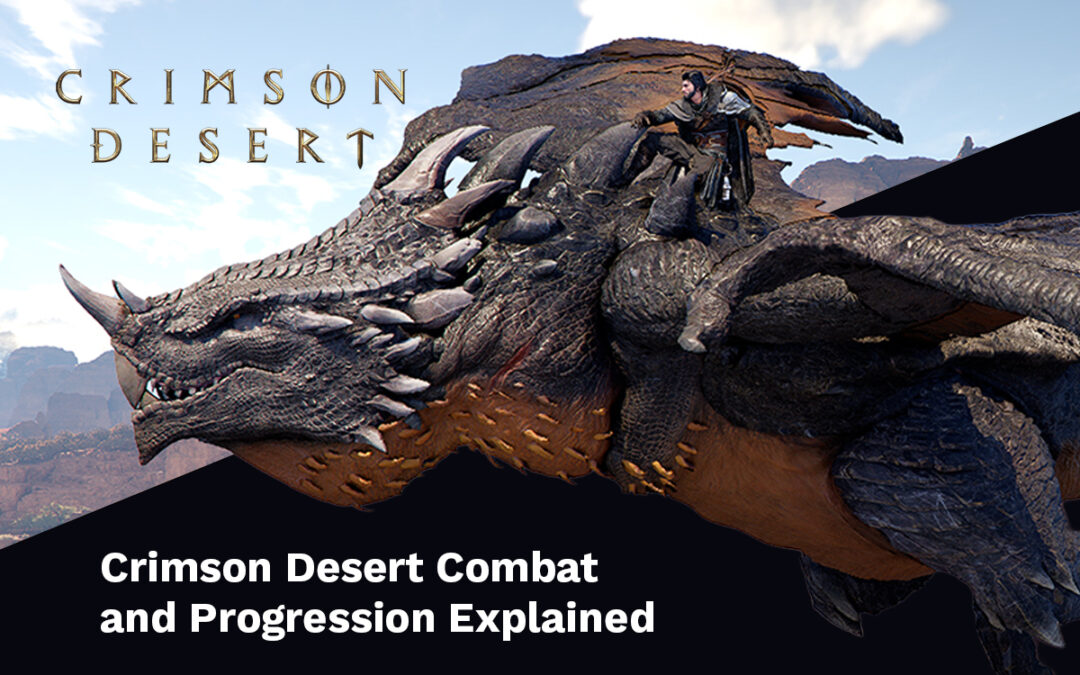
Mount-assisted chaos
This is where Crimson Desert combat and progression starts feeling soulslike-adjacent, but faster and more flexible.
If you mess up, it’s on you. If you win, you earned it.
Weapons That Change the Way You Play
Weapons are not cosmetic here. They’re playstyle-defining.
You’ll use:
Sword and shield
Spears
Greatswords
Axes
Ranged weapons
Each one alters pacing, spacing, and risk. The key to mastering Crimson Desert combat and progression is learning when to switch.
Pro tip: weapon swapping mid-fight isn’t advanced tech. It’s expected.
Skill Chaining Is the Real Power Curve
This is where things get spicy.
Weapon skills flow directly into:
Punches
Kicks
Grapples
Throws
You’re not locked into one animation chain. You’re building momentum. Add elemental effects and suddenly Crimson Desert combat and progression opens up even more.
Fire for pressure. Ice for control. Stun for pure disrespect.
UE5 visuals plus mechanical depth? Chef’s kiss
Movement, Defense, and Clean Timing
If you panic dodge, you’re done.
Crimson Desert rewards:
Precise dodges
Well-timed guards
Smart counters
Defense creates offense. A clean parry cracks enemies wide open. This balance is a huge reason why Crimson Desert combat and progression explained feels so satisfying.
Skill matters more than stats. Always.
Starting Weak Is Part of the Design
Progression starts rough. And that’s the point.
At the beginning, Kliff is fragile. Limited skills. Basic gear. No flashy nonsense.
This makes the payoff better.
Crimson Desert progression is about growth through mastery, not menu spam.
Pywel Shapes Your Progression Path
Everything happens across Pywel.
You don’t just level up. You survive. You explore. You conquer.
Crimson Desert combat and progression explained through the world itself:
Dangerous regions
Hidden challenges
Boss-controlled zones
Power comes from pushing forward, not grinding backward.
Artifacts: The Core of Crimson Desert Progression
Artifacts are the backbone of Crimson Desert combat and progression.
You earn them through:
Quests
Exploration
Combat trials
Boss fights
Artifacts allow you to:
Increase Health and Stamina
Unlock new combat skills
Enhance existing abilities
Expand traversal options
Some upgrades must be learned directly in the world. No shortcuts. No UI popups. Just observation and execution.
No Classes, Just Playstyle Commitment
There are no fixed roles here.
Your version of Crimson Desert combat and progression explained depends on choices:
High-Stamina explorer
Grapple-focused brawler
Weapon-switching DPS monster
Your build reflects how you fight. Not a dropdown selection from hour one.
This is the kind of system theorycrafters will lose sleep over.
Gear, Crafting, and Min-Max Dreams
Gear matters. A lot.
Weapons and armor can be:
Bought
Found
Crafted
Upgraded
Upgrade materials come from:
Mining
Hunting
Bosses
Quests
Hidden locations
Customization lets you stack stats and special effects. This is where Crimson Desert combat and progression turns dangerous in the best way.
Late-night build testing? Guaranteed.
Bosses Are Real Skill Checks
Bosses rule Pywel. And they don’t play fair.
You’ll fight:
Elite humans
Massive beasts
Supernatural threats
Each boss tests a different skill. Timing. Positioning. Adaptation. Some rewards unlock signature abilities, letting you steal boss power for yourself.
That loop alone makes Crimson Desert combat and progression explained worth watching closely.
Why This System Actually Works
Here’s the thing.
Crimson Desert doesn’t reward mindless grinding. It rewards:
Learning enemy patterns
Improving execution
Smart build decisions
Every win feels earned. Every loss teaches something. That philosophy screams Pearl Abyss confidence.
They know what they’re building.
Who Should Be Hyped for This?
Skip this if you want:
Auto-combat
Brain-off gameplay
Hand-holding systems
But if you want:
Soulslike-inspired action
Player-driven progression
Deep combat mechanics
UE5 spectacle
Yeah. Crimson Desert Combat and Progression Explained is a Day 1 lock.
Already watching INR deals on Steam and Eneba, not gonna lie.
Conclusion: Crimson Desert Combat and Progression Explained, No Cap
Crimson Desert combat is expressive, punishing, and rewarding. Its progression system respects player skill and choice.
You start weak. You learn. You dominate.
If Pearl Abyss sticks the landing, Crimson Desert combat and progression explained could set a new standard for action RPGs.
Crimson Desert features define more than just another open-world RPG. It is a story-driven experience built around conflict, freedom, and a living world that reacts to your actions.
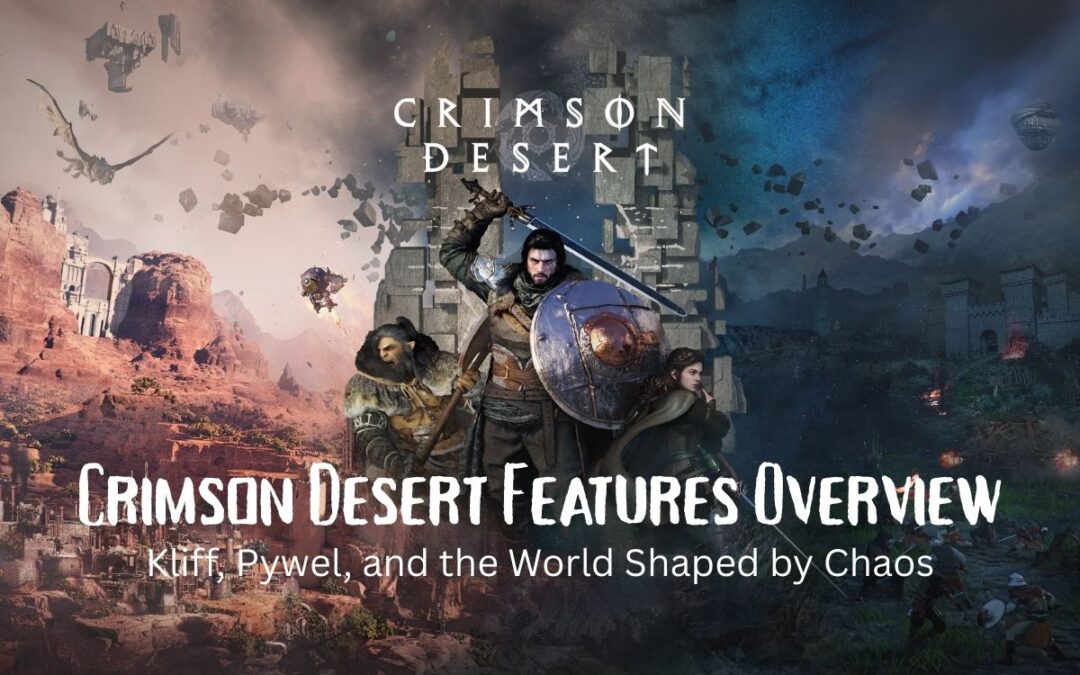
At the center of it all stands Kliff, a warrior bound by loyalty, loss, and responsibility. Around him stretches Pywel, a seamless open world filled with beauty, danger, and unanswered questions.
This guide breaks down everything revealed so far. The story. The factions. The Abyss. Exploration. Quests. And why Pywel feels like a world worth getting lost in.
In This Post
The Continent of Pywel: A Seamless Open World
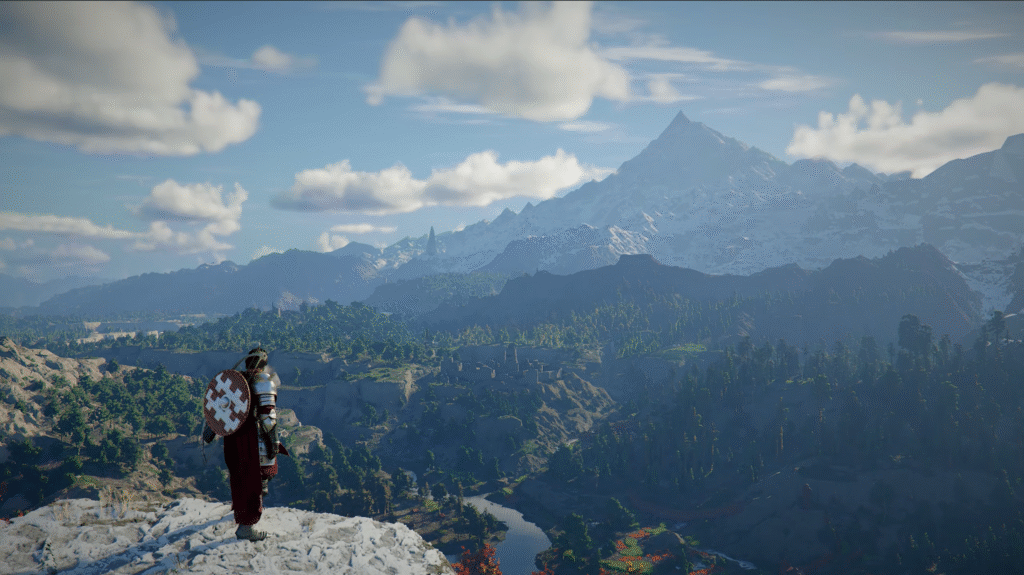
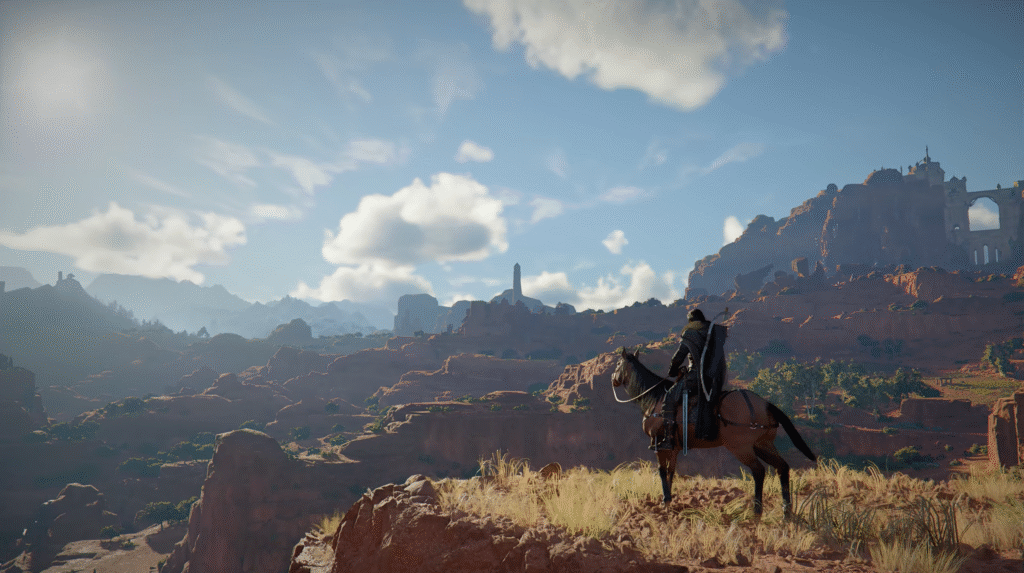
Pywel is a vast, uninterrupted continent. No loading zones. No artificial barriers. Just land stretching as far as the eye can see.
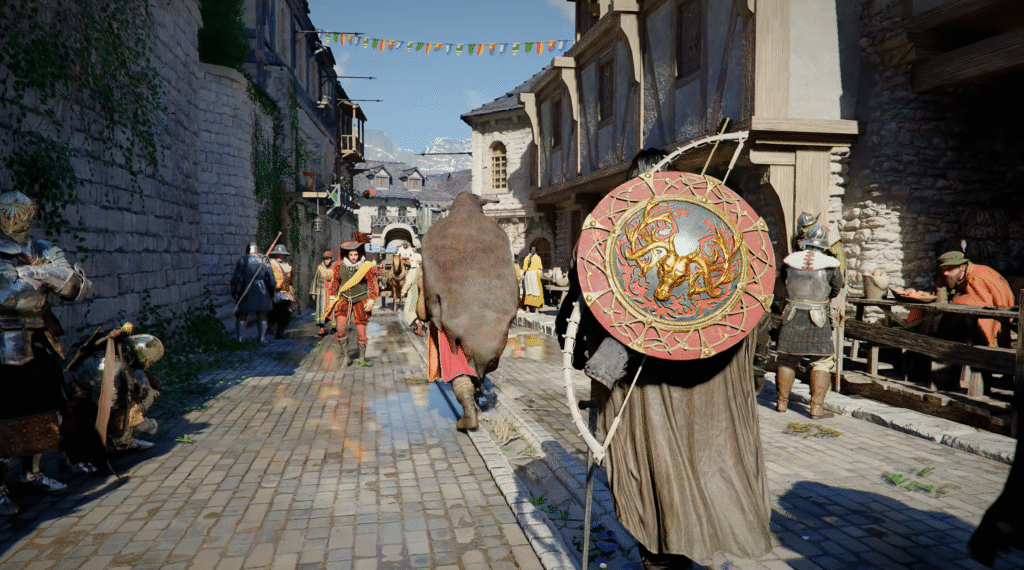
You’ll move through dense wilderness, open plains, mountain ranges, and cities alive with activity. Residents from different cultures go about their lives while conflicts quietly brew beneath the surface. Ancient ruins dot the landscape, remnants of forgotten eras waiting to be uncovered.
But Pywel is not a safe place.
Rival factions clash across regions. Hostile forces patrol roads and strongholds. And looming over everything is a growing threat that originates far beyond the physical world.
Kliff: The Warrior at the Heart of the Story
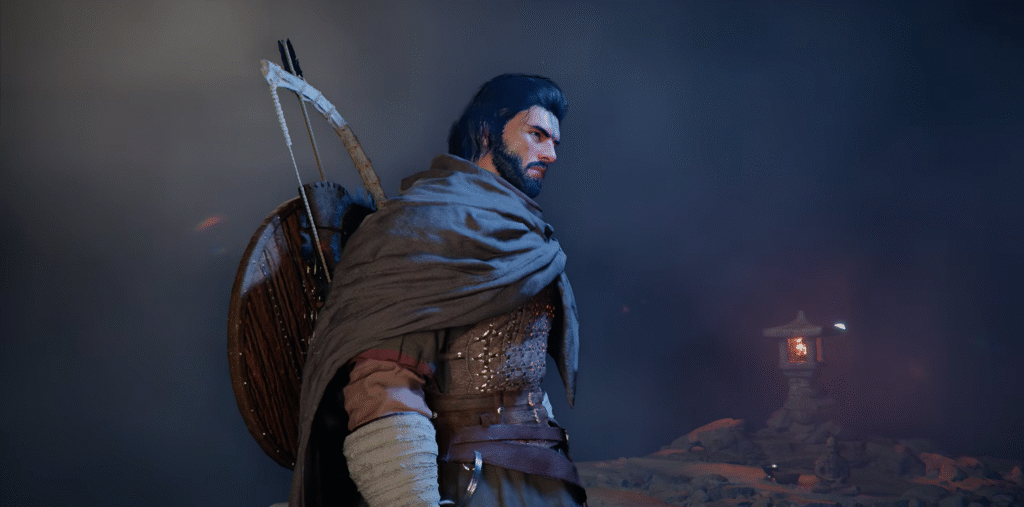
You play as Kliff, a seasoned fighter from the Greymanes. This faction hails from Paloon, a land once unified under strong leadership.
The Greymanes are known for their commitment to peace and order. They protect the innocent. They fight to keep their homeland whole. To Kliff, they are not just comrades. They are family.
That bond is tested when their leader falls.
With his death, Paloon descends into chaos. Old alliances fracture. War breaks out. The Greymanes are scattered, hunted, and pushed to the brink.
Your journey begins with survival. It grows into reunification. And it ends with reclaiming a homeland that has been torn apart.
Factions, War, and a World in Conflict
Pywel is shaped by its factions. Houses, organizations, and armies all fight for control, influence, or survival.
Some factions will be friendly from the start. They offer quests, resources, and support. Others are openly hostile, occupying regions and fortresses that must be reclaimed through force.
Liberating areas is not cosmetic. Once enemy forces are driven out, regions become safer to travel. Homes are restored. Merchants return. Resources open up. Your actions leave visible marks on the world.
Faction quests also fuel progression. New equipment. Unique merchants. Access to materials like stone and lumber. Everything feeds into rebuilding the Greymanes and strengthening your position.
The Abyss: Power Beyond Control
High above Pywel lies the Abyss. A mysterious realm overflowing with raw, untamed power.
Something has gone wrong.
Fragments of the Abyss have begun falling into the world below. These remnants warp the land and attract those hungry for power. Dark forces seek to open a gate to the Abyss itself, risking total collapse.
This threat goes beyond any single faction.
Restoring balance to the Abyss becomes a core pillar of the journey. Track down its fragments. Defeat those who abuse its power. And eventually, step into the Abyss itself.
Failure is not an option. If the gate opens, the cost will be measured in lives.
Multiple Playable Characters and Combat Styles
While Kliff remains the central figure, he does not fight alone forever.
As the story progresses, new playable characters join your journey. Each brings a distinct combat style, skill set, and weapon focus. You can explore Pywel freely with these characters, taking on side quests and challenges outside the main story.
This flexibility allows you to approach combat and exploration in different ways, without breaking narrative immersion.
Crimson Desert Features That Redefine Quest Design
Pywel does not force you down a straight line.
The main story follows Kliff’s struggle and the fate of the Greymanes, but the continent is filled with optional paths. Side stories. Hidden encounters. World events. Quiet personal quests.
Some missions are massive in scale. Reclaiming fortresses. Defeating elite commanders. Turning the tide of regional conflicts.
Others are smaller, grounded moments. Helping villagers. Escorting caravans. Solving local disputes.
All of them shape your adventure.
Exploration That Rewards Curiosity
Exploration in Crimson Desert is built on freedom.
If you see a mountain, you can climb it. If a ruin catches your eye, you can reach it. There is no strict route, no artificial funneling.
Travel options evolve over time. Horses provide reliable movement across land. Kliff can climb and glide to cross gaps and vertical terrain. Later, advanced machines and dragons open up the skies, letting you traverse Pywel from above.
Every path holds potential rewards. Hidden treasures. Artifacts. Knowledge. Or simply a view worth stopping for.
Artifacts, Knowledge, and Progression
Artifacts play a critical role in progression. These powerful items unlock and upgrade skills, enhance combat, and expand traversal options.
Some artifacts are earned through quests and battles. Others are hidden deep in the world, rewarding players who explore thoroughly and take risks.
Knowledge is just as important.
By observing enemies, interacting with characters, and exploring new regions, you gather information about Pywel’s people, wildlife, items, and history. This knowledge can unlock new quest paths, provide tactical advantages, and reveal secrets others might miss.
The more you learn, the stronger you become.
Why Pywel Feels Alive
Crimson Desert succeeds because its world reacts.
Regions change after liberation. Factions respond to your actions. Travel becomes safer or more dangerous based on your progress. Exploration is not filler. It is the core of the experience.
Pywel is not just a backdrop for combat. It is a living continent shaped by war, ambition, and the consequences of power.
Conclusion
Crimson Desert sets out to deliver a story-driven open-world RPG where every system connects. Kliff’s personal struggle mirrors the collapse of Pywel itself. Factions rise and fall. The Abyss looms as an existential threat. Exploration, combat, and knowledge all feed into a single cohesive journey.
This is a world that rewards curiosity, patience, and commitment.
And this is only the beginning.
If you’re tracking the future of open-world games, don’t miss our full breakdown of the Top 30 New Open World Games of 2026 (Ranked & Reviewed) and see where Crimson Desert fits among the most anticipated releases.
Crimson Desert is an open-world action RPG focused on the story of Kliff, a warrior trying to reunite his fallen faction while confronting a growing supernatural threat.
Is Pywel fully open world?
Yes. Pywel is a seamless open world with no loading screens between regions, allowing free exploration across the entire continent.
What is the Abyss in Crimson Desert?
The Abyss is a mysterious realm filled with immense power. Its fragments have fallen into Pywel, disrupting balance and driving the main conflict.
Are there multiple playable characters?
Yes. In addition to Kliff, other playable characters join later, each with unique combat styles and abilities.
Does exploration affect gameplay?
Absolutely. Exploration rewards players with artifacts, knowledge, fast travel points, and hidden quests that directly impact progression.