What Makes Crimson Desert Combat and Progression Different?
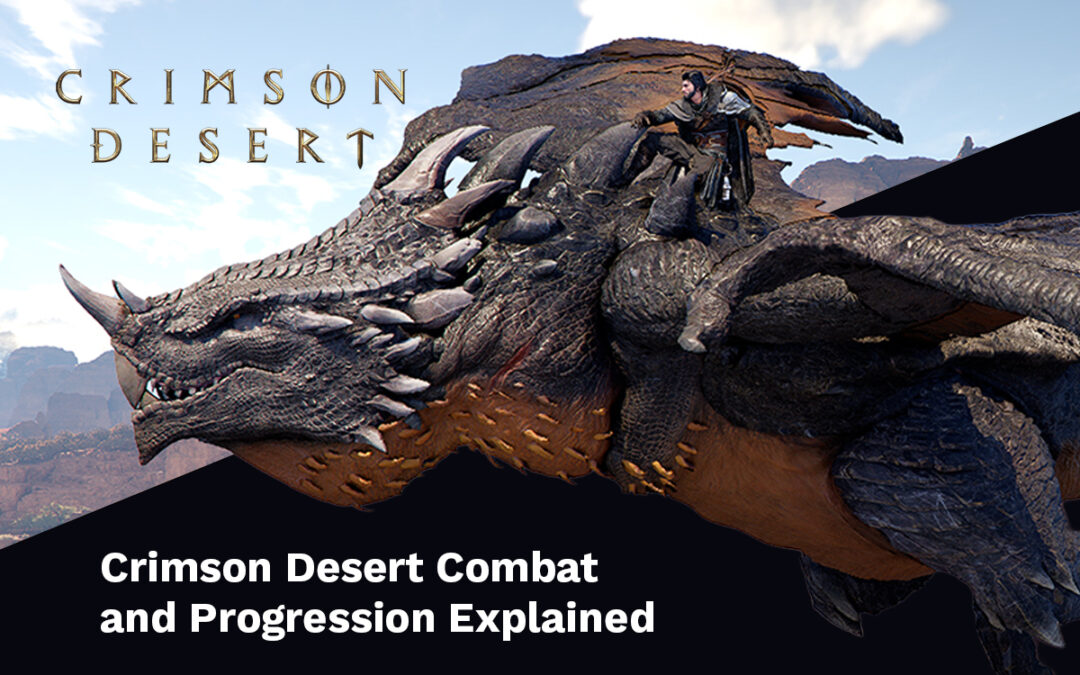
At its core, Crimson Desert Combat and Progression Explained comes down to one idea. Player control over everything.
You shape the fight. You shape your build. You shape your growth.
No rigid classes. No lazy scaling. Just clean, expressive action.
Crimson Desert leans hard into physical combat. Hits feel heavy. Movement matters. Bad timing gets punished fast.
And honestly? I love that.
Combat Freedom: Fight How You Want
Crimson Desert combat doesn’t babysit you.
Every encounter lets you choose:
Aggressive pressure
Defensive counters
Environmental plays
Mount-assisted chaos
This is where Crimson Desert combat and progression starts feeling soulslike-adjacent, but faster and more flexible.
If you mess up, it’s on you. If you win, you earned it.
Weapons That Change the Way You Play
Weapons are not cosmetic here. They’re playstyle-defining.
You’ll use:
Sword and shield
Spears
Greatswords
Axes
Ranged weapons
Each one alters pacing, spacing, and risk. The key to mastering Crimson Desert combat and progression is learning when to switch.
Pro tip: weapon swapping mid-fight isn’t advanced tech. It’s expected.
Skill Chaining Is the Real Power Curve
This is where things get spicy.
Weapon skills flow directly into:
Punches
Kicks
Grapples
Throws
You’re not locked into one animation chain. You’re building momentum. Add elemental effects and suddenly Crimson Desert combat and progression opens up even more.
Fire for pressure. Ice for control. Stun for pure disrespect.
UE5 visuals plus mechanical depth? Chef’s kiss
Movement, Defense, and Clean Timing
If you panic dodge, you’re done.
Crimson Desert rewards:
Precise dodges
Well-timed guards
Smart counters
Defense creates offense. A clean parry cracks enemies wide open. This balance is a huge reason why Crimson Desert combat and progression explained feels so satisfying.
Skill matters more than stats. Always.
Starting Weak Is Part of the Design
Progression starts rough. And that’s the point.
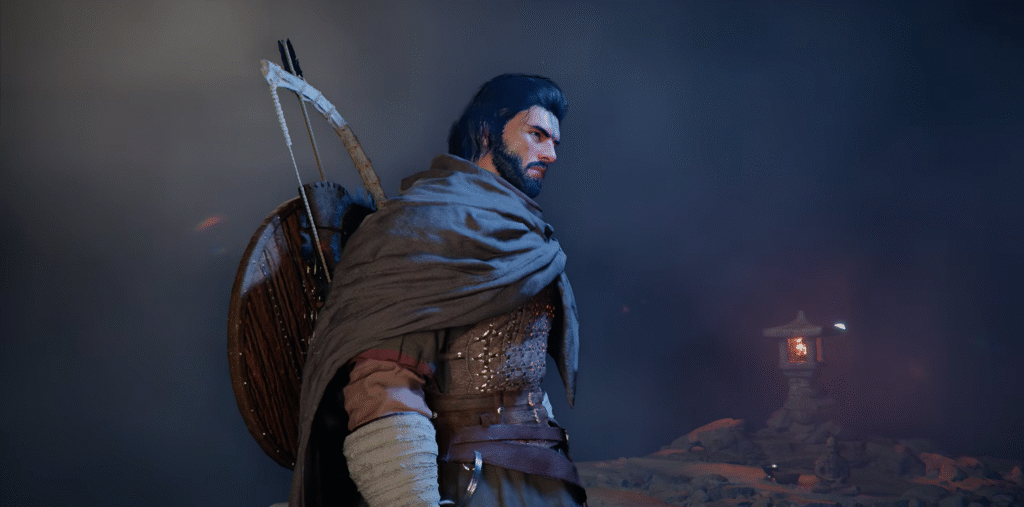
At the beginning, Kliff is fragile. Limited skills. Basic gear. No flashy nonsense.
This makes the payoff better.
Crimson Desert progression is about growth through mastery, not menu spam.
Pywel Shapes Your Progression Path
Everything happens across Pywel.
You don’t just level up. You survive. You explore. You conquer.
Crimson Desert combat and progression explained through the world itself:
Dangerous regions
Hidden challenges
Boss-controlled zones
Power comes from pushing forward, not grinding backward.
Artifacts: The Core of Crimson Desert Progression
Artifacts are the backbone of Crimson Desert combat and progression.
You earn them through:
Quests
Exploration
Combat trials
Boss fights
Artifacts allow you to:
Increase Health and Stamina
Unlock new combat skills
Enhance existing abilities
Expand traversal options
Some upgrades must be learned directly in the world. No shortcuts. No UI popups. Just observation and execution.
No Classes, Just Playstyle Commitment
There are no fixed roles here.
Your version of Crimson Desert combat and progression explained depends on choices:
High-Stamina explorer
Grapple-focused brawler
Weapon-switching DPS monster
Your build reflects how you fight. Not a dropdown selection from hour one.
This is the kind of system theorycrafters will lose sleep over.
Gear, Crafting, and Min-Max Dreams
Gear matters. A lot.
Weapons and armor can be:
Bought
Found
Crafted
Upgraded
Upgrade materials come from:
Mining
Hunting
Bosses
Quests
Hidden locations
Customization lets you stack stats and special effects. This is where Crimson Desert combat and progression turns dangerous in the best way.
Late-night build testing? Guaranteed.
Bosses Are Real Skill Checks
Bosses rule Pywel. And they don’t play fair.
You’ll fight:
Elite humans
Massive beasts
Supernatural threats
Each boss tests a different skill. Timing. Positioning. Adaptation. Some rewards unlock signature abilities, letting you steal boss power for yourself.
That loop alone makes Crimson Desert combat and progression explained worth watching closely.
Why This System Actually Works
Here’s the thing.
Crimson Desert doesn’t reward mindless grinding. It rewards:
Learning enemy patterns
Improving execution
Smart build decisions
Every win feels earned. Every loss teaches something. That philosophy screams Pearl Abyss confidence.
They know what they’re building.
Who Should Be Hyped for This?
Skip this if you want:
Auto-combat
Brain-off gameplay
Hand-holding systems
But if you want:
Soulslike-inspired action
Player-driven progression
Deep combat mechanics
UE5 spectacle
Yeah. Crimson Desert Combat and Progression Explained is a Day 1 lock.
Already watching INR deals on Steam and Eneba, not gonna lie.
Conclusion: Crimson Desert Combat and Progression Explained, No Cap
Crimson Desert combat is expressive, punishing, and rewarding. Its progression system respects player skill and choice.
You start weak. You learn. You dominate.
If Pearl Abyss sticks the landing, Crimson Desert combat and progression explained could set a new standard for action RPGs.
Upcoming realistic graphics games have been talked about for years, but let’s be honest. For a while now, “next-gen graphics” has been more promise than reality. A lot of games looked good, sure, but not that much better than what we were already playing.
That’s finally changing.
As we move into 2026, developers are clearly done holding back. PS5 and Xbox Series X|S are being used properly, and PC players are getting games that actually justify high-end GPUs. Better lighting. Better animation. Worlds that feel solid instead of flat.
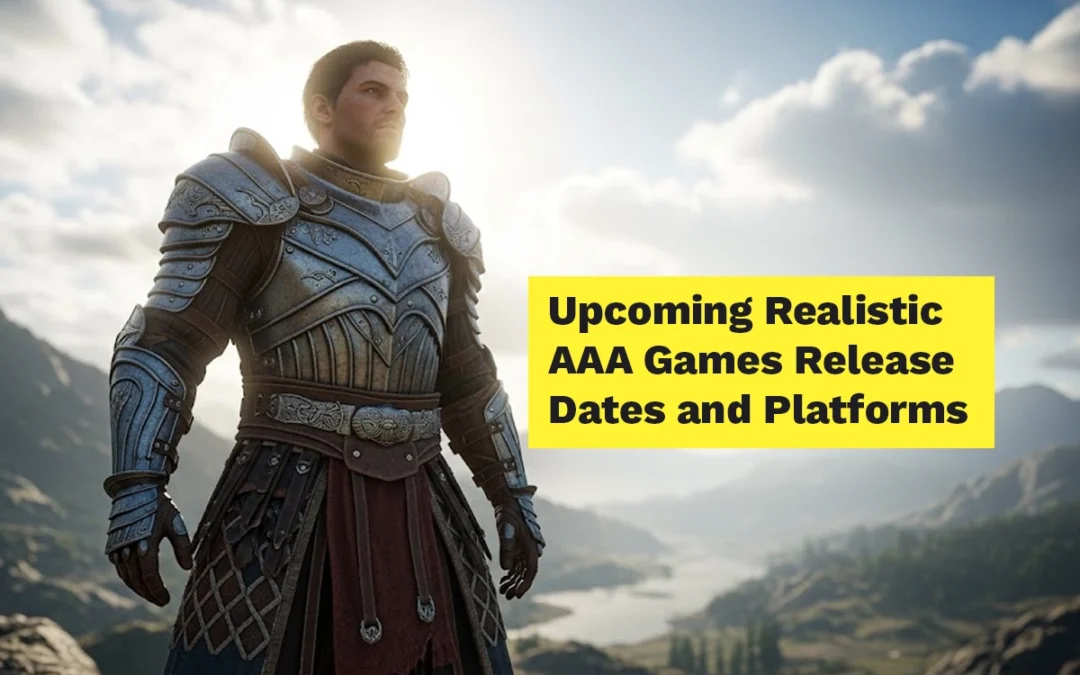
This list isn’t about art style or hype. These are upcoming games that look genuinely realistic, especially in motion, and are clearly built with 4K HDR screens in mind.
In This Post
Upcoming Realistic Graphics Games: Release Dates and Platforms
I first saw Project TAL‘s trailer and thought, “This is Elden Ring meets Black Myth but with K-drama vibes.” You’re a hero scaling colossal beasts, exploiting weaknesses with AI companions who actually adapt to your playstyle. Platforms? PC, PS5, Xbox – but it’s a 2027 play, so patience, folks. As someone who’s all about open-world freedom, this one’s topping my list for seamless exploration.
Platforms PS5, PC, Xbox Series X|S
Release Date 2027
Game #2 – Woochi the Wayfarer
Nexon’s Woochi The Wayfarer feels like a Parasite soundtrack fused with mage combat. Battle folklore monsters in Unreal Engine 5 glory on PS5, Xbox Series, and PC. No firm date yet, but whispers say late 2026. If you dig emotional stories with cultural depth (hello, fellow desi gamers loving global myths), preload this.
Platforms PS5, PC, Xbox Series X|S
Release Date TBD (2026+)
Game #3 – Swords of Legends
Renamed from Gujian 4, Swords of Legends lets you capture enemy souls for combo summons – think Pokemon meets Devil May Cry in Chinese lore. Coming to PC and consoles (PS5/Xbox) sometime in 2026. The trailers’ weapon swaps and buddy synergies have me rethinking my Soulsborne fatigue.
Platforms PS5, PC, Xbox Series X|S
Release Date TBD (2026)
Game #4 – NCSOFT Project E
NCSOFT Project E is NCSoft’s enigmatic UE5 project, tied to their MMO universe. Trailers scream high-fidelity action, likely PC-first with console ports. Still in dev as of Feb 2026, but if it’s anything like Throne & Liberty, expect shared-world goodness.
Platforms PS5, PC, Xbox Series X|S
Release Date TBD (in dev)
Game #5 – Onimusha: Way of the Sword
Capcom’s bringing back Onimusha with Way of the Sword – katana stamina breaks and demon-slaying in twisted Edo Japan. Hits PS5, Xbox Series, PC in early 2026 (maybe Feb?). As a katana fanboy, those Issen finishers got me hyped.
Platforms PS5, PC, Xbox Series X|S
Release Date 2026 (Q1 est.)
Game #6 – Phantom Blade Zero
Phantom Blade Zero is my soulslike dream: dual blades, phantom weapons, sha-chi bursts against smart enemy packs. September 9, 2026 on PC/PS5 (Xbox later). The interconnected AI fights? Genius for spectacle without frustration.
Platforms PS5, PC, Xbox Series X|S
Release Date September 9, 2026
Game #7 – Black Myth: Zhong Kui
Black Myth: Zhong Kui is Game Science’s killer follow-up to Wukong, dropping you into the boots of the mythical ghost-hunter with his massive sword and zero-chill attitude for demons. Think brutal, heavy-hitting combat in haunted Chinese realms – talisman throws to stagger spirits, enslave ’em as allies, and soulslike boss rushes that crank the difficulty even higher on Unreal Engine 5. Teased at Gamescom 2025 with that epic “judge wrong and right” vibe, it’s early days but shaping up as 2027’s must-play for fans craving darker mythos over monkey flips.
Platforms PS5, PC, Xbox Series X|S
Release Date Has not been announced yet
Game #8 – Nioh 3
Team Ninja’s Nioh 3 (TGA 2025 star) drops Feb 6, 2026 on PS5/PC. Swap styles, pulse ki, conquer Crucible arenas. Deeper than ever – perfect for my hardcore grinding sessions.
Platforms PS5, PC, Xbox Series X|S
Release Date February 6, 2026
Game #9 – Chronicles Medieval
Chronicles: Medieval is my strategy itch-scratcher: sandbox kingdom-building in 14th-century Europe. Q1 2026 on PC, PS4/5, Xbox. Siege engines and diplomacy? Yes, please.
Platforms PS5, PC, Xbox Series X|S
Release Date Q1 2026 (March est.)
Game #10 – Crimson Desert
Pearl Abyss’s Crimson Desert – beast hunts, companion raids, conspiracy plots. March 19, 2026 on PC/PS5/Xbox. Open-world survival with Lies of P vibes? Count me in.
Platforms PS5, PC, Xbox Series X|S
Release Date March 19, 2026
Final Thoughts
If you care about graphics, the next couple of years are going to be fun. Developers are finally using modern hardware the way they should, and it shows. These games aren’t just built to look good in trailers. They’re meant to hold up during real gameplay, on real screens.
These aren’t just random indies – we’re talking mythology-fueled action RPGs, samurai slashers, and medieval strategists that scream “next-gen masterpiece.” I’ve been tracking them since their TGA teases, and with 2026 heating up, it’s time to know what’s dropping when and where. Grab your controller (or mouse, PC gang), because this is your ultimate guide to the games that’ll eat your free time. Let’s jump in!
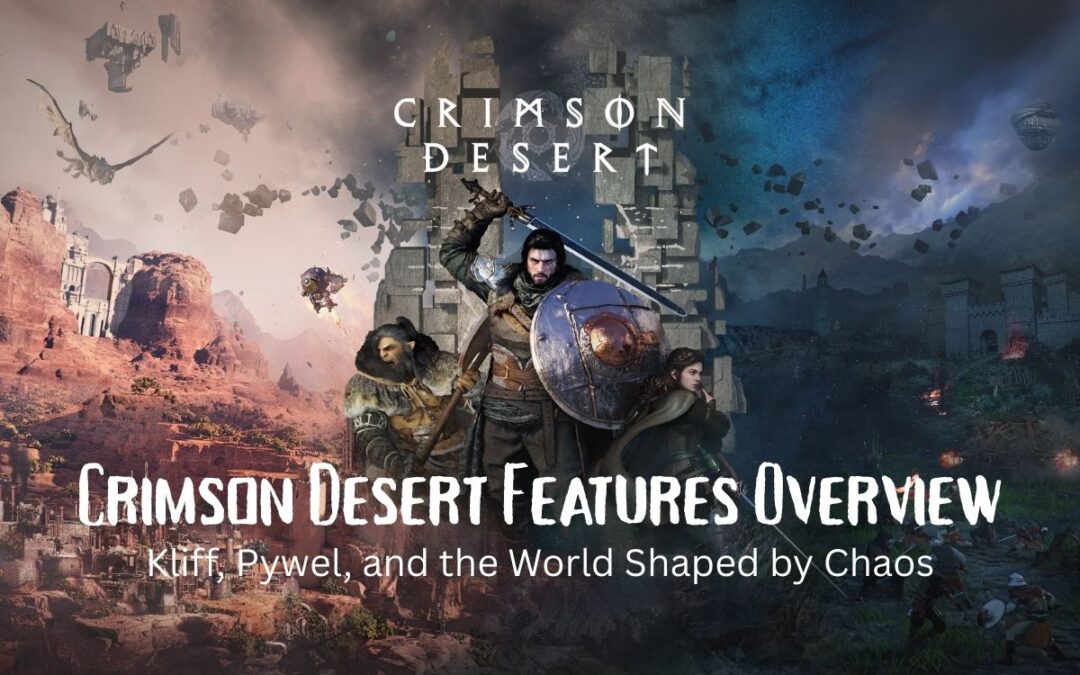
Crimson Desert features define more than just another open-world RPG. It is a story-driven experience built around conflict, freedom, and a living world that reacts to your actions.
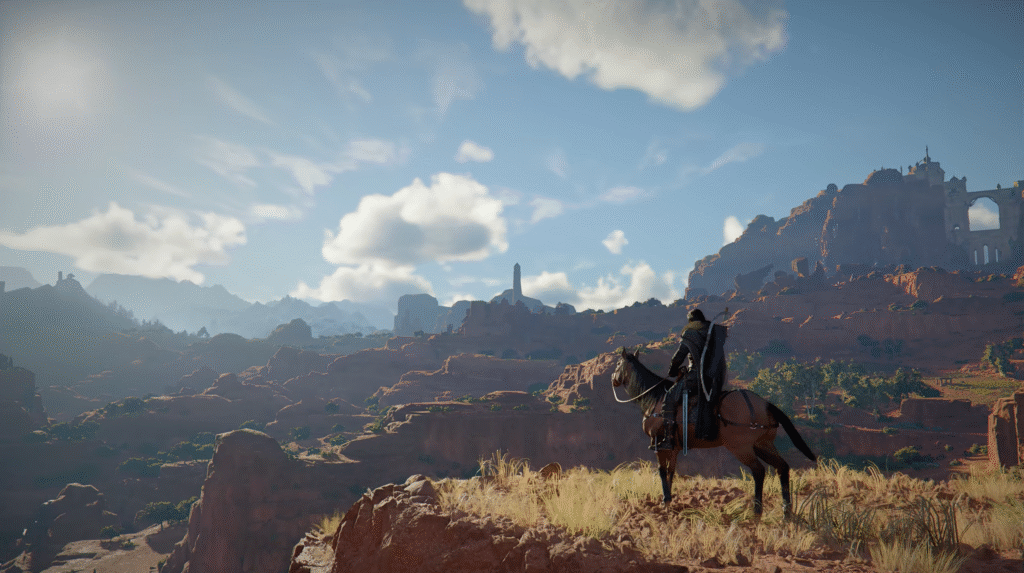
At the center of it all stands Kliff, a warrior bound by loyalty, loss, and responsibility. Around him stretches Pywel, a seamless open world filled with beauty, danger, and unanswered questions.
This guide breaks down everything revealed so far. The story. The factions. The Abyss. Exploration. Quests. And why Pywel feels like a world worth getting lost in.
In This Post
The Continent of Pywel: A Seamless Open World
Pywel is a vast, uninterrupted continent. No loading zones. No artificial barriers. Just land stretching as far as the eye can see.
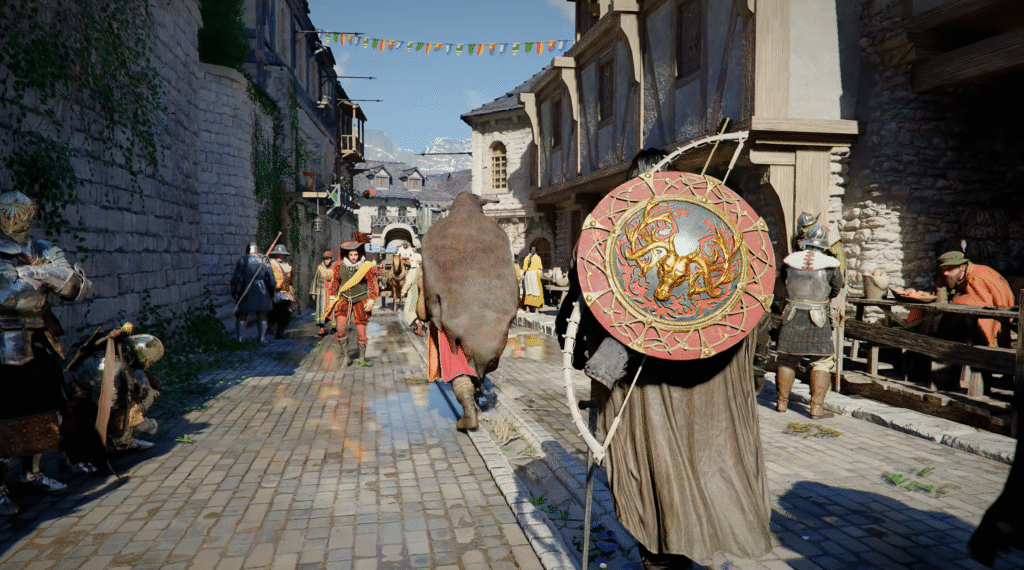
You’ll move through dense wilderness, open plains, mountain ranges, and cities alive with activity. Residents from different cultures go about their lives while conflicts quietly brew beneath the surface. Ancient ruins dot the landscape, remnants of forgotten eras waiting to be uncovered.
But Pywel is not a safe place.
Rival factions clash across regions. Hostile forces patrol roads and strongholds. And looming over everything is a growing threat that originates far beyond the physical world.
Kliff: The Warrior at the Heart of the Story
You play as Kliff, a seasoned fighter from the Greymanes. This faction hails from Paloon, a land once unified under strong leadership.
The Greymanes are known for their commitment to peace and order. They protect the innocent. They fight to keep their homeland whole. To Kliff, they are not just comrades. They are family.
That bond is tested when their leader falls.
With his death, Paloon descends into chaos. Old alliances fracture. War breaks out. The Greymanes are scattered, hunted, and pushed to the brink.
Your journey begins with survival. It grows into reunification. And it ends with reclaiming a homeland that has been torn apart.
Factions, War, and a World in Conflict
Pywel is shaped by its factions. Houses, organizations, and armies all fight for control, influence, or survival.
Some factions will be friendly from the start. They offer quests, resources, and support. Others are openly hostile, occupying regions and fortresses that must be reclaimed through force.
Liberating areas is not cosmetic. Once enemy forces are driven out, regions become safer to travel. Homes are restored. Merchants return. Resources open up. Your actions leave visible marks on the world.
Faction quests also fuel progression. New equipment. Unique merchants. Access to materials like stone and lumber. Everything feeds into rebuilding the Greymanes and strengthening your position.
The Abyss: Power Beyond Control
High above Pywel lies the Abyss. A mysterious realm overflowing with raw, untamed power.
Something has gone wrong.
Fragments of the Abyss have begun falling into the world below. These remnants warp the land and attract those hungry for power. Dark forces seek to open a gate to the Abyss itself, risking total collapse.
This threat goes beyond any single faction.
Restoring balance to the Abyss becomes a core pillar of the journey. Track down its fragments. Defeat those who abuse its power. And eventually, step into the Abyss itself.
Failure is not an option. If the gate opens, the cost will be measured in lives.
Multiple Playable Characters and Combat Styles
While Kliff remains the central figure, he does not fight alone forever.
As the story progresses, new playable characters join your journey. Each brings a distinct combat style, skill set, and weapon focus. You can explore Pywel freely with these characters, taking on side quests and challenges outside the main story.
This flexibility allows you to approach combat and exploration in different ways, without breaking narrative immersion.
Crimson Desert Features That Redefine Quest Design
Pywel does not force you down a straight line.
The main story follows Kliff’s struggle and the fate of the Greymanes, but the continent is filled with optional paths. Side stories. Hidden encounters. World events. Quiet personal quests.
Some missions are massive in scale. Reclaiming fortresses. Defeating elite commanders. Turning the tide of regional conflicts.
Others are smaller, grounded moments. Helping villagers. Escorting caravans. Solving local disputes.
All of them shape your adventure.
Exploration That Rewards Curiosity
Exploration in Crimson Desert is built on freedom.
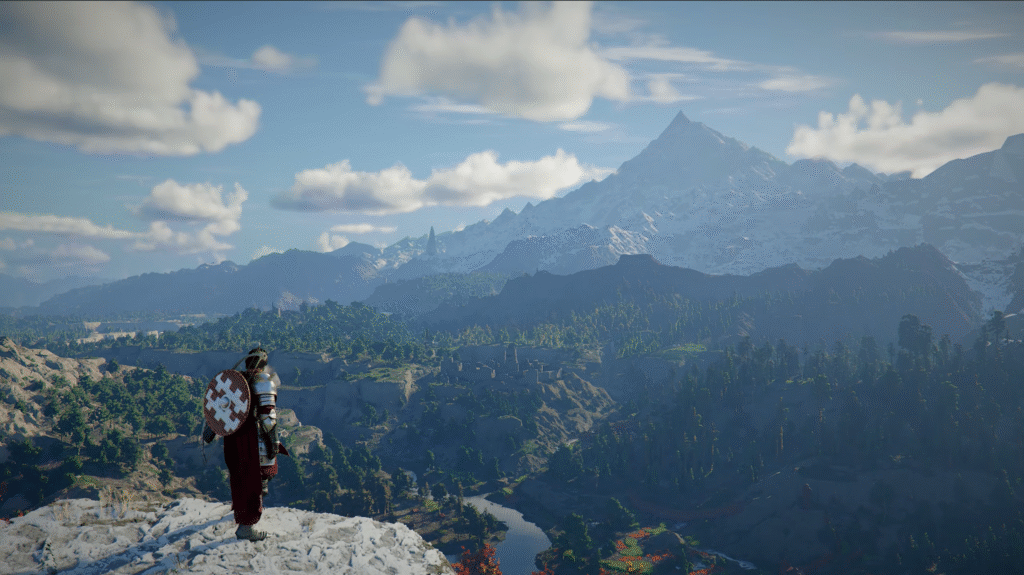
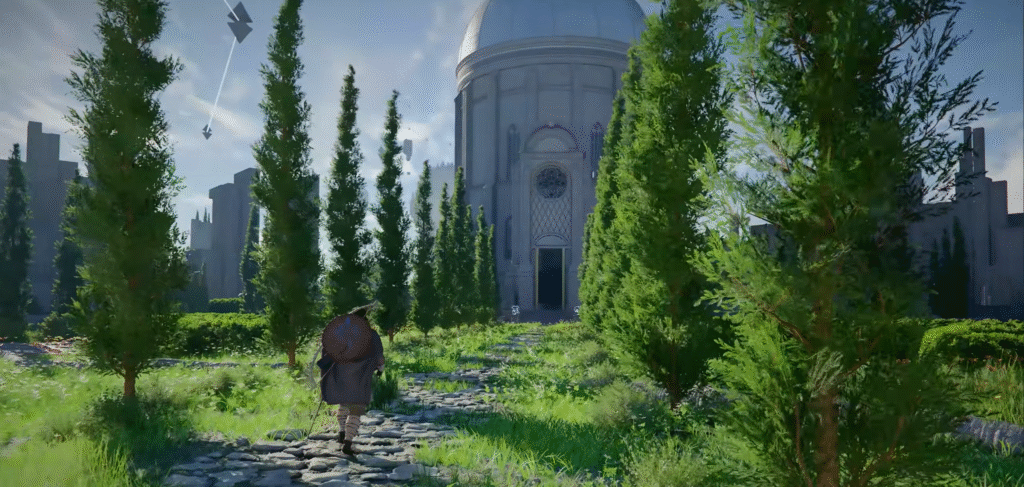
If you see a mountain, you can climb it. If a ruin catches your eye, you can reach it. There is no strict route, no artificial funneling.
Travel options evolve over time. Horses provide reliable movement across land. Kliff can climb and glide to cross gaps and vertical terrain. Later, advanced machines and dragons open up the skies, letting you traverse Pywel from above.
Every path holds potential rewards. Hidden treasures. Artifacts. Knowledge. Or simply a view worth stopping for.
Artifacts, Knowledge, and Progression
Artifacts play a critical role in progression. These powerful items unlock and upgrade skills, enhance combat, and expand traversal options.
Some artifacts are earned through quests and battles. Others are hidden deep in the world, rewarding players who explore thoroughly and take risks.
Knowledge is just as important.
By observing enemies, interacting with characters, and exploring new regions, you gather information about Pywel’s people, wildlife, items, and history. This knowledge can unlock new quest paths, provide tactical advantages, and reveal secrets others might miss.
The more you learn, the stronger you become.
Why Pywel Feels Alive
Crimson Desert succeeds because its world reacts.
Regions change after liberation. Factions respond to your actions. Travel becomes safer or more dangerous based on your progress. Exploration is not filler. It is the core of the experience.
Pywel is not just a backdrop for combat. It is a living continent shaped by war, ambition, and the consequences of power.
Conclusion
Crimson Desert sets out to deliver a story-driven open-world RPG where every system connects. Kliff’s personal struggle mirrors the collapse of Pywel itself. Factions rise and fall. The Abyss looms as an existential threat. Exploration, combat, and knowledge all feed into a single cohesive journey.
This is a world that rewards curiosity, patience, and commitment.
And this is only the beginning.
If you’re tracking the future of open-world games, don’t miss our full breakdown of the Top 30 New Open World Games of 2026 (Ranked & Reviewed) and see where Crimson Desert fits among the most anticipated releases.
Crimson Desert is an open-world action RPG focused on the story of Kliff, a warrior trying to reunite his fallen faction while confronting a growing supernatural threat.
Is Pywel fully open world?
Yes. Pywel is a seamless open world with no loading screens between regions, allowing free exploration across the entire continent.
What is the Abyss in Crimson Desert?
The Abyss is a mysterious realm filled with immense power. Its fragments have fallen into Pywel, disrupting balance and driving the main conflict.
Are there multiple playable characters?
Yes. In addition to Kliff, other playable characters join later, each with unique combat styles and abilities.
Does exploration affect gameplay?
Absolutely. Exploration rewards players with artifacts, knowledge, fast travel points, and hidden quests that directly impact progression.
Top 30 New Open World Games of 2026 (Ranked & Reviewed)
Feature Article
Open world games have become the industry standard. 2026 is shaping up to be a monumental year, from industry titans to ambitious indie projects. Here is your ultimate breakdown.
✨
AI Game Matchmaker
Can’t decide? Tell our Gemini-powered AI what you’re in the mood for (e.g., “I want a relaxing game with base building” or “Something with high-speed action”), and it will pick the best game from this list for you.
AI
The Countdown: 30 to 11
30
Forza Horizon 6
May 18, 2026Playground Games
Kicking off the list is the platonic ideal of the open-world racer. Forza Horizon 6 arrives earlier than expected, moving the festival to Japan. With over 550 real-world cars and a massive Tokyo environment, plus event creators and customizable estates, it looks set to be a masterpiece.
29
Fable
TBD 2026 (Possible Delay)Playground Games
Playground Games makes the list twice. The Fable reboot aims to modernize the reactive, choice-driven nature of the originals. You can romance NPCs and buy property, but the binary “Good vs. Evil” system is replaced by something more nuanced.
28
Chronicles: Medieval
2026Raw Power Games
Aiming to compete with Mount & Blade, this sandbox lets you be a lord, mercenary, or brigand. The loop focuses on building an army and large-scale warfare. Trailers look high-fidelity, but gameplay is scarce—watch with cautious optimism.
27
Alkahest
2026Action RPG
A focused open-world experience shifting away from traditional magic to a robust alchemy system. With a gritty, low-fantasy vibe and potion crafting combat, this could be a sleeper hit.
26
Solarpunk
2026Survival Crafting
Standing out in an oversaturated genre, Solarpunk looks incredible. Explore floating islands via airship and use solar, wind, and water power to generate electricity. It’s intuitive, stylish, and supports multiplayer.
25
Mortal Shell 2
2026Soulslike
The sequel promises to be the finished manuscript to the first game’s rough draft. Features a fully interconnected open world and a serious expansion to the “shell” system. Expect a deep, deliberately designed Soulslike.
24
Assassin’s Creed IV: Black Flag Remake
Late 2026 / Early 2027Ubisoft
Reports suggest a late 2026 release. Fans want quality-of-life improvements, but mostly, we just want shanties and ship-to-ship combat in 4K.
23
Subnautica 2
2026Unknown Worlds
One of the most wishlisted games on Steam. The original was a masterclass in exploration. If the sequel maintains that atmosphere of mystery and underwater terror, it will be a massive success.
22
Chrono Odyssey
Q4 2026MMORPG
An MMORPG with seamless open world and single-player quality combat. Uses time manipulation mechanics. Developers plan a major overhaul for the Western launch.
21
Light No Fire
Fall 2026 / 2027Hello Games
From the creators of No Man’s Sky, creating a single, Earth-sized planet to explore with friends. Expect building, dragons, and long-term support.
20
Outbound
2026Vehicle Building
Think Raft on a VW Bus. A charming survival crafter where your vehicle is your base. Plant gardens on the roof and explore a vibrant world with cozy creativity.
19
Last 2
March 12, 2026 (Early Access)CRPG
Heavily inspired by Baldur’s Gate 3. Promises a dense environment, non-linear exploration, and high-effort CRPG mechanics with modern visuals.
18
Crimson Desert
March 19, 2026Pearl Abyss
Single-player action in the Black Desert universe. Complex combat (wrestling, swordplay), dragon flight, and climbing mechanics. A true “agency over story” sandbox.
17
Streets of Rogue 2
2026Immersive Sim
Applying the chaos of the original to a continuous open world. An emergent narrative generator that plays like an action-focused RimWorld.
16
Nioh 3
Feb 6, 2026Team Ninja
Nioh goes open-field. Ditches linear levels for semi-open zones. Adds a jump button and a new “Ninja” combat style while keeping the punishing difficulty.
15
Outward 2
Q3 2026Hardcore Survival RPG
Refines the clunky but beloved original. Better combat, better visuals, same uncompromising difficulty, now with 4-player co-op to survive the harsh world together.
14
Demon Tides
Feb 19, 2026Platformer
Inspired by Bowser’s Fury. Takes tight 3D platforming mechanics and applies them to a massive open world with a refined art style.
13
Black Frost: The Long Dark 2
2026 (Early Access)Survival
Introduces 4-player co-op. Replaces perma-death with “Perma-Life”—your character gains psychological fears and traumas based on failures instead of dying.
12
Witchbrook
2026Life Sim / RPG
“Stardew Valley at Hogwarts.” An isometric magic school simulator. Attend classes, explore a large city, partner with businesses, and dive into a deep social system.
11
Monster Hunter Stories 3
March 12, 2026RPG
Expands open areas significantly with high verticality. Use monster abilities to fly, swim, and climb. Mechanically complex and more mature than predecessors.
The Top 10
10
No Law
Neon GiantCyberpunk FPS
From the makers of The Ascent. Set in the vertical seaside city of Port Desire. Linear immersive-sim missions inside a stunning open-world city waiting to be explored.
09
Railbound
Train BuilderSurvival
Build and manage a mobile fortress on rails. Manage power distribution and water flow while navigating environmental hazards like snow and aliens. A base-building game that moves.
08
The Blood of Dawn Walker
Vampire RPGTime-Based
A time-based RPG from former Witcher devs. Gameplay shifts dramatically between day (weak) and night (strong). Every quest advances the clock, forcing strategic prioritization.
07
Lego Batman: Legacy of the Dark Knight
May 29, 2026Action Adventure
Essentially a kid-friendly Arkham City. Features Predator stealth, Arkham combat, and a massive open-world Gotham. Mashes up every Batman era (DeVito Penguin meet Reeves Batman).
06
Hela
AdventureCo-op
Play as a mouse in a beautiful Scandinavian landscape. Gather ingredients for a witch’s potion. A charming, low-stress alternative with 4-player co-op.
05
Wind Rose
Pirate SurvivalProcedural
Think Valheim on the high seas. Procedurally generated ocean with handcrafted dungeons and boss fights. Build a base or sail into combat.
04
Enshrouded (1.0)
Fall 2026Survival RPG
One of the best survival games leaves Early Access. Known for incredible voxel-based building and responsive combat, the full release rounds out an excellent package.
03
Rooted
Post-ApocalypticRealistic
A rare non-fantasy entry. Goes for hyper-realism in overgrown cities. Features smart AI and a salvaging system where you must examine old-world objects to learn their use.
02
Pedal Runner
Retro-FutureCozy Vibes
Inspired by Game Boy aesthetics with chunky pixels. Explore a chill city on a motorcycle, engaging in side activities and collecting creatures. Modern design, retro style.
Game of the Decade
Grand Theft Auto VI
Nov 19, 2026 (Projected)Rockstar Games
It’s not just the game of the year; it is the game of the decade. GTA 6 takes us back to Vice City in a fictionalized Florida. From the “Florida Man” energy to the dual protagonists, this is the crime simulation fans have been waiting for.
While Rockstar is known for delays, the current target is November 2026. If it hits that date, nothing else stands a chance.
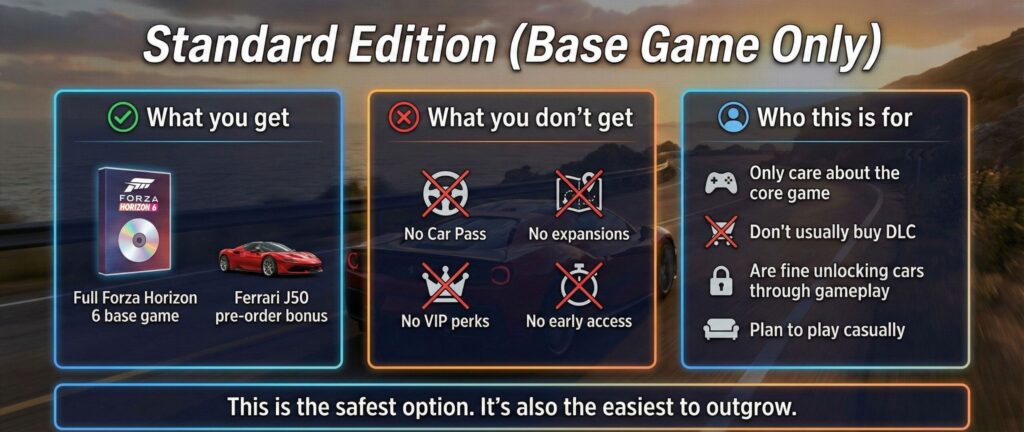
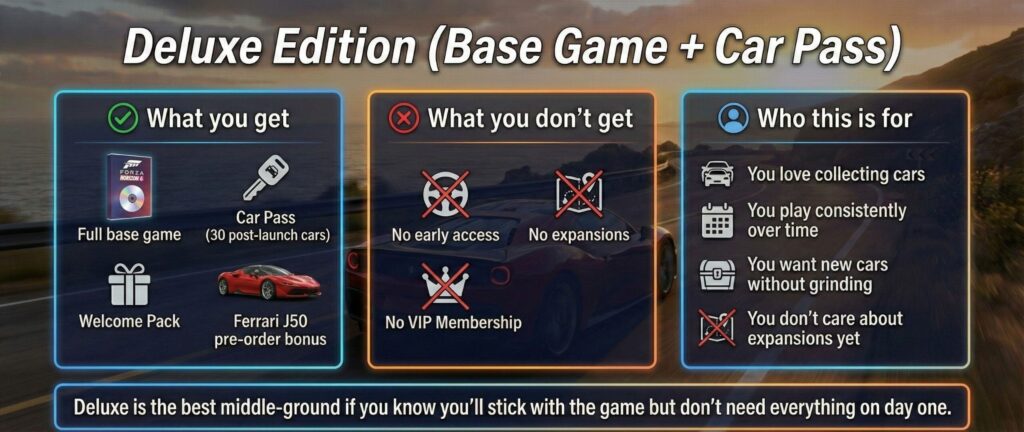
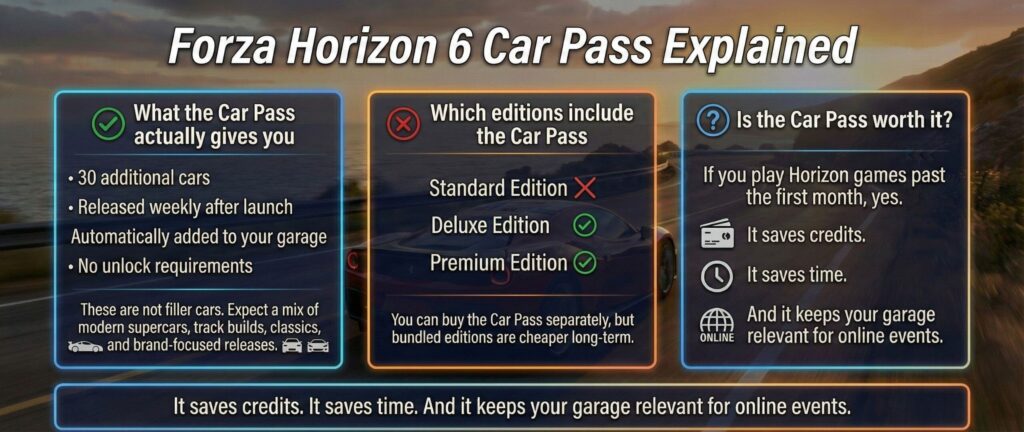
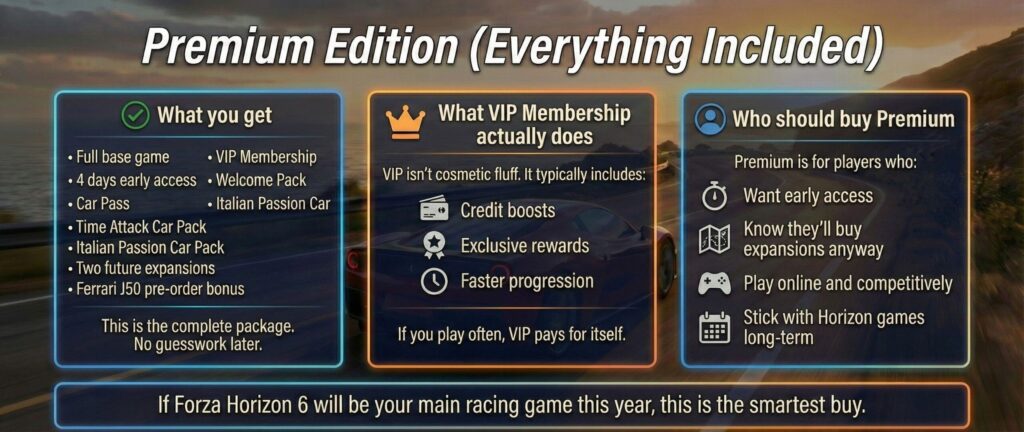
Forza Horizon 6 Standard vs Deluxe vs Premium Editions comes down to one question: do you want just the base game, or extra cars delivered over time? Forza Horizon 6 is almost here, and choosing the wrong edition can mean paying more later or missing content you actually care about.
This guide explains the key differences between Forza Horizon 6 Standard and Deluxe editions, who each one is for, and which version makes the most sense based on how you play.
Forza Horizon 6 gameplay was officially revealed at Xbox Developer Direct 2026, delivering the most ambitious vision in the franchise’s history. Developed by Playground Games in collaboration with Turn 10 Studios, the next Horizon entry takes players to Japan for a deeply immersive open-world driving experience.
This is not just a new map. It is a structural evolution of the Horizon formula, built around progression, authenticity, and player freedom.
In This Post
Forza Horizon 6 Gameplay Takes Players to Japan
For years, fans demanded Japan. Horizon 6 finally delivers, and it does so at scale.
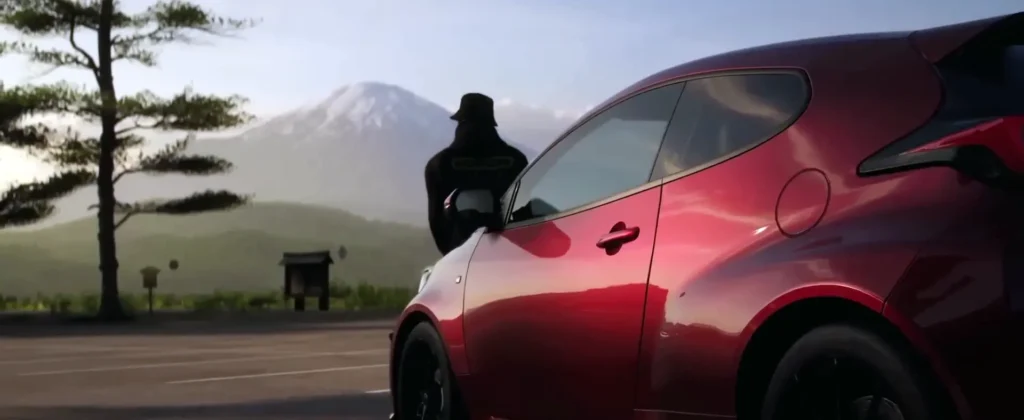
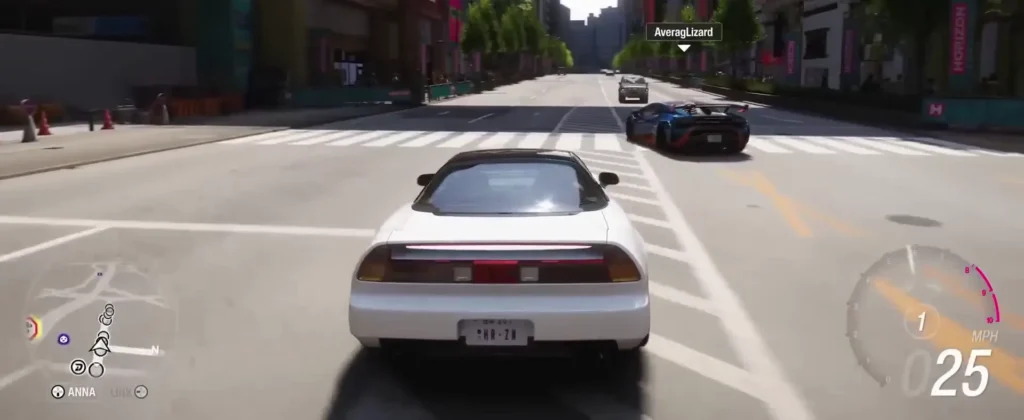
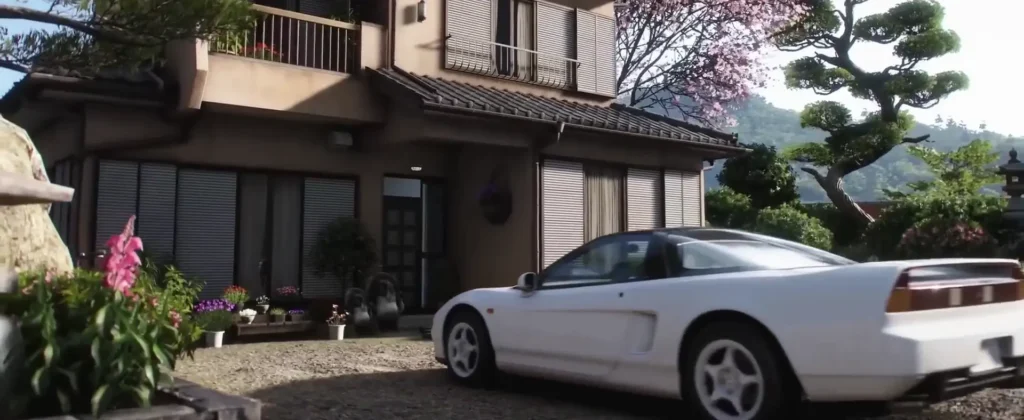
Japan is the largest and most vertical map ever built for the series. It blends dense urban sprawl with rural countryside, mountain passes, docks, forests, and coastal roads. The contrast between modern Tokyo districts and traditional landscapes defines the driving experience.
The development team captured real-world reference through:
Road and building scans
Photogrammetry of trees and geology
Real Japanese sky time-lapses
Seasonal environmental recordings
Every road is designed to feel purposeful. Exploration is rewarded everywhere.
A New Campaign Built Around Your Journey
Forza Horizon 6 abandons the instant superstar fantasy.
You begin as a tourist in Japan, not a champion. Your goal is simple: qualify for the Horizon Festival.
Progression System Explained
Complete Horizon Qualifiers
Unlock wristbands by racing faster cars
Prove skill through spectacle events
Advance through structured tiers
Each tier ends with high-impact events that test mastery, not grind.
These are obstacle-based challenge courses designed around:
Precision driving
Environmental hazards
Vertical movement
Tokyo docks feature some of the most intense Rush events shown so far, blending arcade fun with technical skill.
Legend Island: Endgame Content Done Right
Once you earn the Gold Wristband, a new region unlocks.
Legend Island is an exclusive endgame zone with:
Unique tracks
High-difficulty events
Specialized exploration areas
Access is earned, not handed out. This is Horizon progression with purpose.
Tokyo City Is Massive and Fully Driveable
Tokyo is five times larger than any previous Horizon city.
It includes:
Multiple districts
Hidden shortcuts
Vertical road layers
Dense traffic routes
Every corner is built to be driven, not just seen. It is the most complex urban environment Playground Games has ever created.
Seasons That Actually Change the World
Japan’s seasonal identity is core to the game design.
Spring cherry blossoms, summer rain, autumn colors, and winter conditions directly affect:
Visual atmosphere
Road grip
Ambient audio
Seasonality is no longer cosmetic. It changes how the world feels and drives.
Over 550 Cars at Launch With Major Upgrades
Forza Horizon 6 launches with more than 550 cars.
Car System Improvements
New performance balance from D to new R-Class
New body kits and Forza Aero
Window livery painting
Cosmetic tire wear that evolves with mileage
Cars respond more realistically to road conditions and long-term use.
Aftermarket Cars and World Discovery
Exploration now feeds car collection.
Parked around the map, players will find Aftermarket Cars:
Always discounted
Often rare
Immediately drivable
This turns exploration into meaningful progression instead of filler.
Japanese Car Culture Front and Center
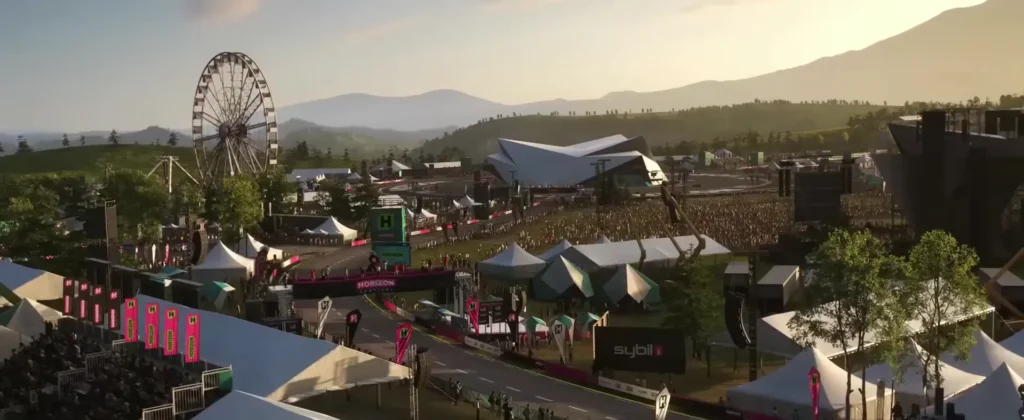
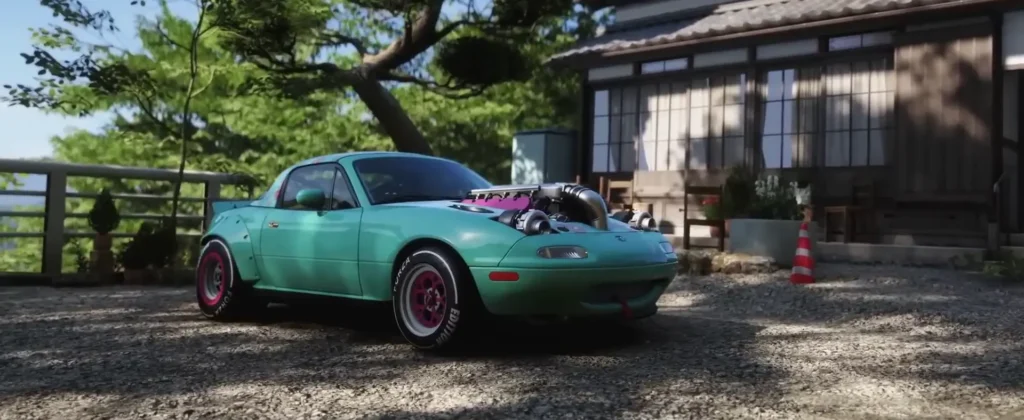
From underground street races to open-world car meets inspired by Daikoku, Japanese automotive culture defines Horizon 6.
New features include:
Nighttime mountain pass battles
Open-world car meets
Instant tune and livery sharing
Car duplication through meet interactions
This is Horizon at its most social.
Custom Garages and the Estate System
Player expression goes beyond liveries.
Custom Garages
Found at every player home
Fully decoratable
Multiplayer visits supported
The Estate
A massive mountain valley
Starts empty
Fully buildable in the open world
All structures are permanent and shared
This system allows players to literally shape the world.
Multiplayer Building With Horizon Collab
For the first time, creation is fully cooperative.
Horizon Collab lets multiple players:
Build structures together
Design tracks collaboratively
Modify shared spaces in real time
This applies across garages, estates, and open-world builds.
Accessibility Without Compromise
Forza Horizon 6 expands accessibility significantly.
New options include:
Customizable high-contrast mode
Proximity radar for competitive play
Auto-drive for relaxed exploration
Every feature is designed so all players can share the same world.
Audio, Music, and Atmosphere Upgraded
Audio has been completely remastered.
New acoustic modeling technology
Enhanced car sound detail
Real environmental field recordings
Music remains central, with a global soundtrack featuring Japanese artists to match the setting.
Platforms and Release Date
Forza Horizon 6 launches:
May 19, 2026 on Xbox and PC
PlayStation version later in 2026
Cross-platform expansion marks a major milestone for the franchise.
Conclusion
Forza Horizon 6 is not just bigger. It is smarter, deeper, and more intentional.
Japan provides the perfect backdrop for a Horizon game that finally respects progression, culture, and player creativity. From its reworked campaign to its massive Tokyo city, collaborative building, and authentic car culture, this is the most complete Horizon experience ever made.
If Playground Games delivers on everything shown, Forza Horizon 6 will redefine open-world racing.
FAQs
Is Forza Horizon 6 set entirely in Japan?
Yes. The entire open world is based on Japan, featuring cities, mountains, rural areas, and coastal regions.
How many cars are in Forza Horizon 6 at launch?
More than 550 cars will be available on day one.
What is Legend Island?
Legend Island is an endgame region unlocked after earning the Gold Wristband, featuring exclusive high-level content.
Does Forza Horizon 6 support PlayStation?
Yes. A PlayStation version is confirmed for later in 2026.
What is Horizon Collab?
Horizon Collab is a new multiplayer creation system that allows players to build and design together in real time.