
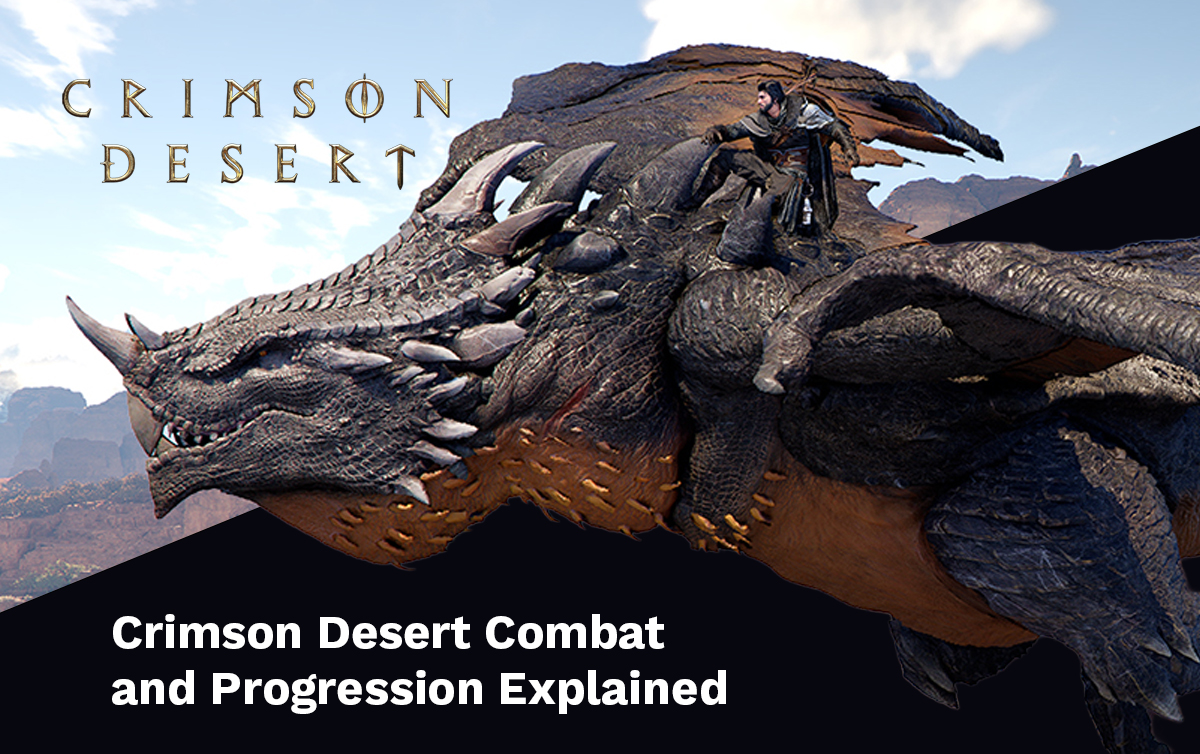

What Makes Crimson Desert Combat and Progression Different?
At its core, Crimson Desert Combat and Progression Explained comes down to one idea.
Player control over everything.
You shape the fight.
You shape your build.
You shape your growth.
No rigid classes. No lazy scaling. Just clean, expressive action.
Crimson Desert leans hard into physical combat. Hits feel heavy. Movement matters. Bad timing gets punished fast.
And honestly? I love that.
Combat Freedom: Fight How You Want
Crimson Desert combat doesn’t babysit you.
Every encounter lets you choose:
- Aggressive pressure
- Defensive counters
- Environmental plays
- Mount-assisted chaos
This is where Crimson Desert combat and progression starts feeling soulslike-adjacent, but faster and more flexible.
If you mess up, it’s on you. If you win, you earned it.
Weapons That Change the Way You Play
Weapons are not cosmetic here. They’re playstyle-defining.
You’ll use:
- Sword and shield
- Spears
- Greatswords
- Axes
- Ranged weapons
Each one alters pacing, spacing, and risk. The key to mastering Crimson Desert combat and progression is learning when to switch.
Pro tip: weapon swapping mid-fight isn’t advanced tech. It’s expected.
Skill Chaining Is the Real Power Curve
This is where things get spicy.
Weapon skills flow directly into:
- Punches
- Kicks
- Grapples
- Throws
You’re not locked into one animation chain. You’re building momentum. Add elemental effects and suddenly Crimson Desert combat and progression opens up even more.
Fire for pressure.
Ice for control.
Stun for pure disrespect.
UE5 visuals plus mechanical depth? Chef’s kiss
Movement, Defense, and Clean Timing
If you panic dodge, you’re done.
Crimson Desert rewards:
- Precise dodges
- Well-timed guards
- Smart counters
Defense creates offense. A clean parry cracks enemies wide open. This balance is a huge reason why Crimson Desert combat and progression explained feels so satisfying.
Skill matters more than stats. Always.
Starting Weak Is Part of the Design
Progression starts rough. And that’s the point.
At the beginning, Kliff is fragile. Limited skills. Basic gear. No flashy nonsense.
This makes the payoff better.
Crimson Desert progression is about growth through mastery, not menu spam.
Pywel Shapes Your Progression Path
Everything happens across Pywel.
You don’t just level up. You survive. You explore. You conquer.
Crimson Desert combat and progression explained through the world itself:
- Dangerous regions
- Hidden challenges
- Boss-controlled zones
Power comes from pushing forward, not grinding backward.
Artifacts: The Core of Crimson Desert Progression
Artifacts are the backbone of Crimson Desert combat and progression.
You earn them through:
- Quests
- Exploration
- Combat trials
- Boss fights
Artifacts allow you to:
- Increase Health and Stamina
- Unlock new combat skills
- Enhance existing abilities
- Expand traversal options
Some upgrades must be learned directly in the world. No shortcuts. No UI popups. Just observation and execution.
No Classes, Just Playstyle Commitment
There are no fixed roles here.
Your version of Crimson Desert combat and progression explained depends on choices:
- High-Stamina explorer
- Grapple-focused brawler
- Weapon-switching DPS monster
Your build reflects how you fight. Not a dropdown selection from hour one.
This is the kind of system theorycrafters will lose sleep over.
Gear, Crafting, and Min-Max Dreams
Gear matters. A lot.
Weapons and armor can be:
- Bought
- Found
- Crafted
- Upgraded
Upgrade materials come from:
- Mining
- Hunting
- Bosses
- Quests
- Hidden locations
Customization lets you stack stats and special effects. This is where Crimson Desert combat and progression turns dangerous in the best way.
Late-night build testing? Guaranteed.
Bosses Are Real Skill Checks
Bosses rule Pywel. And they don’t play fair.
You’ll fight:
- Elite humans
- Massive beasts
- Supernatural threats
Each boss tests a different skill. Timing. Positioning. Adaptation. Some rewards unlock signature abilities, letting you steal boss power for yourself.
That loop alone makes Crimson Desert combat and progression explained worth watching closely.
Why This System Actually Works
Here’s the thing.
Crimson Desert doesn’t reward mindless grinding. It rewards:
- Learning enemy patterns
- Improving execution
- Smart build decisions
Every win feels earned. Every loss teaches something. That philosophy screams Pearl Abyss confidence.
They know what they’re building.
Who Should Be Hyped for This?
Skip this if you want:
- Auto-combat
- Brain-off gameplay
- Hand-holding systems
But if you want:
- Soulslike-inspired action
- Player-driven progression
- Deep combat mechanics
- UE5 spectacle
Yeah. Crimson Desert Combat and Progression Explained is a Day 1 lock.
Already watching INR deals on Steam and Eneba, not gonna lie.
Conclusion: Crimson Desert Combat and Progression Explained, No Cap
Crimson Desert combat is expressive, punishing, and rewarding. Its progression system respects player skill and choice.
You start weak.
You learn.
You dominate.
If Pearl Abyss sticks the landing, Crimson Desert combat and progression explained could set a new standard for action RPGs.
Read More Article about Crimson Desert : Crimson Desert Features Overview: Kliff, Pywel, and the World Shaped by Chaos
FAQs
What is Crimson Desert Combat and Progression Explained?
It’s a breakdown of how Crimson Desert handles real-time combat and player-driven progression systems.
Is Crimson Desert combat soulslike?
It has soulslike DNA, but it’s faster and more flexible.
Can you switch weapons mid-combat?
Yes, and it’s core to mastering Crimson Desert combat and progression.
Is progression grind-heavy?
No. Progression focuses on exploration, mastery, and smart choices.
Do bosses give unique rewards?
Yes. Some unlock signature abilities and exclusive effects.



0 Comments